
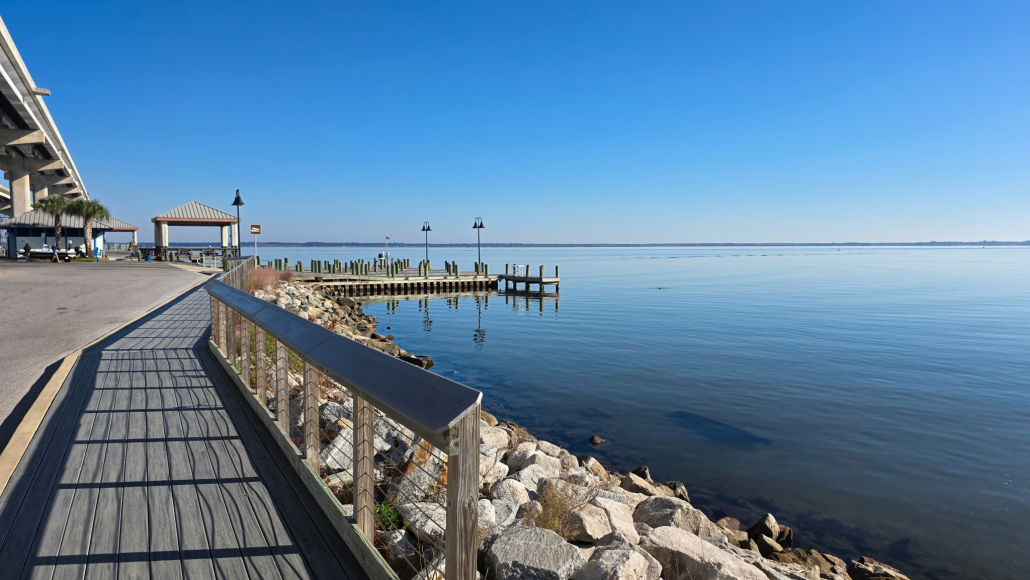
Why Certain Pest Species Thrive Near Coastal and Inland Transition Zones
Properties located between coastal and inland environments experience unique pest pressure. These transition zones combine moisture, vegetation, and temperature stability in ways that favor a wider range of pest species. As a result, homes in these areas often face overlapping infestations that require broader, more adaptive pest management strategies.
Mixed Environmental Conditions Create Ideal Habitat
Coastal areas bring humidity, sandy soils, and salt tolerant vegetation. Inland areas provide denser tree cover, organic soil, and varied elevation. Transition zones blend these conditions, creating environments where both coastal and inland pest species can survive.
This overlap increases biodiversity, but it also increases pest pressure. Ants, cockroaches, termites, rodents, and occasional invaders all find suitable habitat within short distances of each other.
Moisture Availability Supports Continuous Activity
Transition zones typically experience consistent moisture from rainfall, groundwater movement, and humid air. Soil retains moisture longer, vegetation stays dense, and shaded areas remain damp. These conditions allow pests to remain active even during drier periods.
Moisture dependent pests such as ants and termites benefit most, but rodents also take advantage of softened ground and abundant cover.
Vegetation Density Expands Nesting Options
Landscaping and natural growth in transition zones often provide layered shelter. Ground cover, shrubs, trees, and stored materials create multiple nesting opportunities at different elevations.
This vertical habitat allows pests to spread activity rather than concentrate in one area. When one nesting zone becomes disturbed, pests relocate nearby rather than leaving the property entirely.
Temperature Stability Reduces Seasonal Die Off
Coastal influence moderates temperature swings, while inland features reduce exposure. This stability limits seasonal population loss. Pests experience fewer extreme conditions that would normally slow reproduction or force migration.
As a result, pest populations persist longer and recover faster after treatment if ongoing management is not in place.
Why Pest Pressure Appears Unpredictable
Homes in transition zones often experience changing pest issues throughout the year. Activity may shift from insects to rodents, then back again, depending on weather and environmental changes.
This unpredictability is not random. It reflects how multiple species respond differently to the same conditions within a shared environment.
How Pest Control Must Adapt to Transition Zones
Effective pest management in these areas requires flexibility. Single focus treatments may address one species while leaving others unaffected. Ongoing service allows adjustments as pest pressure shifts.
Professionals monitor changes in activity patterns and respond before infestations escalate. This adaptive approach is critical in regions where environmental overlap supports diverse pest populations.
Long Term Management in Mixed Habitat Regions
Transition zones will always experience higher pest diversity. The goal of pest control is not elimination but consistent suppression across species.
By understanding how location influences pest behavior, property owners can maintain control even in environments that naturally support higher activity.