
How Rain Heavy Weather Patterns Impact Subterranean Pest Behavior
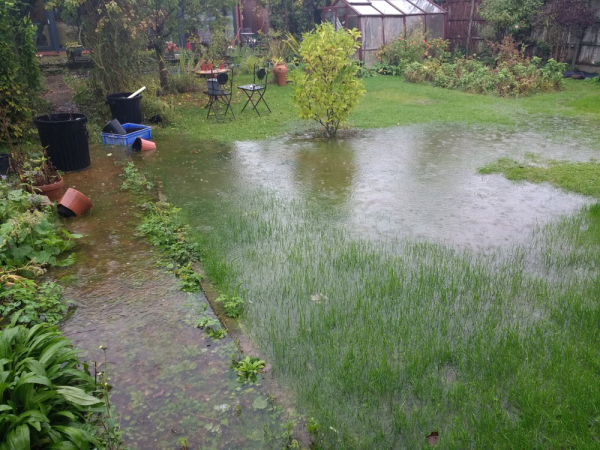
Subterranean pests respond to rainfall faster and more dramatically than most homeowners expect. When extended or repeated rain events occur, the soil environment changes almost immediately. These changes force pests that live and move below the surface to adjust their behavior, often bringing them closer to structures and increasing indoor activity.
Saturated Soil Disrupts Underground Nesting
Many subterranean pests rely on stable soil conditions to maintain nests, tunnels, and travel routes. Heavy rainfall saturates soil, collapses air pockets, and reduces oxygen levels underground. When this happens, pests must relocate to survive.
Instead of remaining deep in the ground, ants, termites, and other soil dwelling insects move upward toward drier, more stable areas. Foundations, slabs, and crawl spaces provide elevated ground and structural protection, making them natural relocation targets during prolonged wet periods.
Water Forces Movement Toward Structures
Rain does not eliminate subterranean pests. It redistributes them. As water fills tunnels and nesting zones, pests follow moisture gradients and structural edges that allow continued movement without exposure. Foundations, utility penetrations, and slab edges become preferred travel paths.
This shift increases pest pressure around the home perimeter. Activity that was previously spread across the yard becomes concentrated near the structure, raising the likelihood of indoor encounters.
Moisture Supports Survival After Relocation
Once pests reach areas near the structure, moisture continues to support survival. Soil near foundations often remains damp longer due to shade, runoff patterns, and reduced airflow. These conditions allow pests to stabilize quickly after displacement.
Rather than returning underground once rain subsides, some populations establish new nesting zones closer to the structure, increasing long term pressure.
Why Pest Activity Often Spikes After Storms
Homeowners frequently notice increased pest sightings after heavy rain and assume pests are entering due to damage or sudden openings. In reality, the activity reflects displacement rather than new access.
Storm driven movement brings pests into visible areas, revealing populations that were already present. This timing often creates the impression of a sudden infestation when the issue has been developing below the surface for some time.
Subterranean Termites Respond Differently to Rainfall
Termites are especially sensitive to soil moisture. While they require moisture to survive, excessive saturation forces colonies to adjust tunnel systems and foraging routes. Rain heavy conditions often increase termite exploration near foundations and slabs.
This behavior raises the importance of monitoring and protective measures during extended wet periods, especially in regions with consistent rainfall.
Why Surface Treatments Alone May Not Be Enough
When pest pressure originates below ground, surface level treatments may reduce visible activity without addressing the underlying population. As long as soil conditions continue to favor survival near the structure, pests remain active.
Effective control during wet weather requires strategies that account for subterranean movement and nesting behavior rather than focusing solely on interior symptoms.
Managing Pest Pressure During Rain Heavy Seasons
Rain is a recurring environmental factor, not a one time event. In regions where heavy rainfall is common, pest control must anticipate repeated displacement cycles. Consistent service helps interrupt relocation patterns and prevent pests from establishing long term footholds near structures.
By understanding how subterranean pests respond to rainfall, property owners can address activity proactively rather than reacting after infestations become visible.
Long Term Control Requires Weather Awareness
Subterranean pest behavior is closely tied to soil conditions. Weather patterns influence where pests live, how they move, and when activity becomes noticeable. Pest management that accounts for these factors delivers more reliable results than reactive treatments alone.
In rain heavy regions, controlling pest activity means managing what happens below the surface as much as what appears inside the home.