
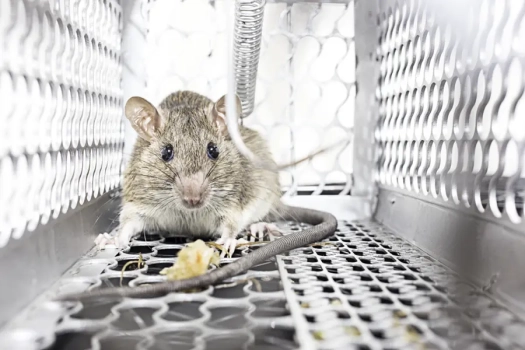
The Health Risks of Rodent Infestations
Rodents may look small, but their impact on homes and health is significant. When mice or rats find their way indoors, they do more than chew wires or leave droppings in hidden corners. They also carry serious health risks that put families in danger. Rodents spread bacteria, viruses, and parasites that can cause illnesses ranging from mild stomach upset to life threatening conditions. Their constant gnawing and nesting can also contaminate food supplies and damage insulation, creating unhealthy environments. Understanding the health hazards rodents pose is the first step to protecting your home and family. With the right preventive measures and professional help, you can stop infestations before they become a serious threat.
Diseases Spread Through Rodent Droppings
One of the most dangerous aspects of a rodent infestation is the presence of droppings and urine. These waste products may look harmless, but they are often contaminated with harmful bacteria and viruses. When disturbed, the particles can become airborne and inhaled, leading to respiratory illnesses. Diseases such as hantavirus, salmonella, and leptospirosis are commonly linked to rodent waste. Even touching contaminated surfaces can cause transmission if hands are not washed properly. Because rodents often travel through food storage areas, droppings can quickly taint items that were once safe to eat. This is why cleaning up after a rodent infestation without protective gear can put people at serious risk.
How Rodents Contaminate Food and Kitchens
Rodents are constantly searching for food, and kitchens, pantries, and storage areas make perfect targets. As they move through cabinets and across counters, they contaminate food with saliva, fur, and droppings. Even packaged items are not always safe since rodents chew through cardboard and plastic with ease. Contaminated food can carry salmonella and other bacteria that lead to severe gastrointestinal illness. The presence of rodents in food preparation areas also raises the risk of cross contamination, where bacteria spread to clean surfaces, dishes, and utensils. For families, this means that one unnoticed rodent can compromise the safety of the entire kitchen. This contamination is not only unsanitary but also extremely hazardous to health.
Allergies and Breathing Problems from Infestations
Beyond spreading diseases, rodents can worsen existing health issues such as asthma and allergies. Their droppings, urine, and dander release proteins into the air that act as triggers for sensitive individuals. Children and elderly family members are often the most affected, experiencing coughing, wheezing, or difficulty breathing. Over time, prolonged exposure to rodent allergens can cause chronic respiratory problems. Nests made from insulation and fabric add to the problem, as they collect dust, mold, and allergens that spread through ventilation systems. These risks make it important to address infestations quickly rather than allowing rodents to live undisturbed in walls, attics, or crawl spaces where they continue producing harmful allergens.
Parasites Carried by Rodents
Rodents are also hosts to parasites that spread additional health risks. Fleas, mites, and ticks often hitch a ride on rodents and then invade living spaces. Once inside, these parasites can bite humans and pets, spreading illnesses such as Lyme disease and typhus. Even after rodents are removed, the parasites they carried may remain in the home if not treated properly. This means a rodent infestation can create a secondary pest problem that requires additional professional attention. Since parasites multiply quickly, it is essential to deal with both the rodents and their hitchhikers at the same time. Addressing one without the other leaves families exposed to ongoing health threats.
Preventing Rodent Infestations to Protect Health
The best defense against rodent related health risks is prevention. Homeowners can reduce the likelihood of infestations by sealing cracks, storing food in airtight containers, and keeping living spaces clean. Regular inspections of crawl spaces, attics, and basements help detect early signs of rodent activity before the problem grows. However, once an infestation takes hold, professional pest control is the safest solution. Trained technicians can identify entry points, eliminate active populations, and ensure the home is protected against future problems. By investing in preventive care and professional services, families can safeguard their health and keep their homes free from the hidden dangers rodents bring inside.