
Address
TruNorth Pest Control | Beetle Control in Alcovy, GA
Found small beetles crawling around your pantry, furniture, or baseboards? Beetles are a diverse group of pests in Georgia homes. TruNorth Pest Control offers comprehensive beetle control in Alcovy, GA to target pantry pests, wood-boring beetles, and more.
Why Beetles Are a Problem in Alcovy
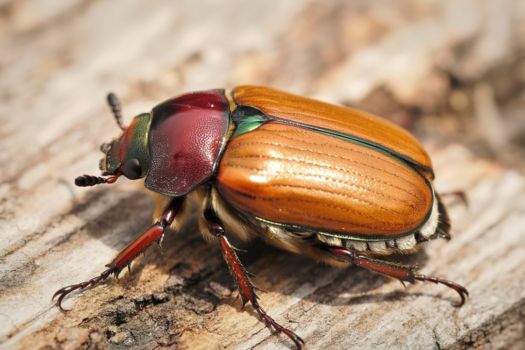
Alcovy’s climate supports many beetle species, including carpet beetles, powderpost beetles, and grain beetles. Some infest food storage areas, while others target wood structures, upholstery, or fabric. Left unchecked, beetles can cause damage and contamination.
TruNorth’s Beetle Control Process
We identify the species, remove infested materials when needed, apply crack-and-crevice treatments, and provide sanitation and sealing strategies to prevent reinfestation.
Seasonal Beetle Activity in Alcovy, GA
January – Low
February – Low
March – Moderate
April – High
May – High
June – High
July – High
August – High
September – Moderate
October – Moderate
November – Low
December – Low
Neighborhoods We Serve in Alcovy
– Alcovy Estates
– Alcovy Forest
– River Walk Farms
– Saddlebrook
– Alcovy Bluffs
FAQ’S
Q1: What types of beetles are common in Georgia homes?
A1: Carpet beetles, powderpost beetles, cigarette beetles, and grain beetles.
Q2: Are beetles harmful?
A2: Some damage wood, fabric, or food. Others are harmless but a nuisance.
Q3: How do I know if I have a beetle infestation?
A3: Look for damage to fabrics or wood, larvae, or live adult beetles.
Q4: Can I use DIY sprays for beetles?
A4: Surface sprays may help temporarily, but full elimination requires targeted treatments.
Q5: Does TruNorth offer beetle identification?
A5: Yes. We identify and treat the specific beetle species for best results.
People Also Ask (PAA)
Q: What causes beetle infestations in homes?
A: Open food packaging, humid wood, or old fabrics may attract beetles.
Q: Do beetles come back after treatment?
A: They can, but sealing and regular service helps prevent recurrence.
Q: Are beetles seasonal pests?
A: Most are more active in spring and summer but some persist indoors year-round.