
Address
TruNorth Pest Control | Carpenter Bee Control in Brooks, GA
Carpenter bees are a frequent concern for homeowners in Brooks, GA, especially during spring and early summer. These large, black-and-yellow bees resemble bumblebees but behave very differently — instead of living in colonies, they bore into wood to create nesting tunnels. Over time, their drilling can cause costly structural damage to homes, decks, and wooden trim.
Why Carpenter Bees Are a Problem in Brooks
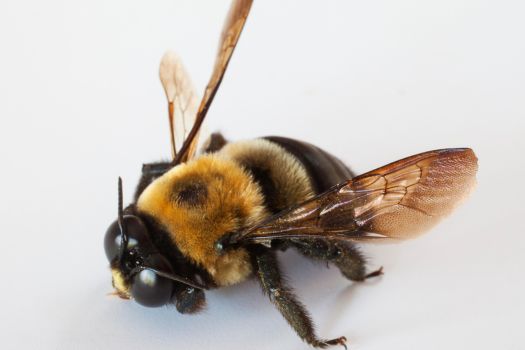
Carpenter bees don’t eat wood but tunnel into it to lay eggs and protect larvae. In Brooks, GA, they often target untreated or unpainted wood such as eaves, decks, fences, and fascia boards. Over the years, repeated infestations can weaken structures and leave behind unsightly holes and stains caused by bee activity. Male carpenter bees are territorial and will hover aggressively near people, though they don’t sting. Females can sting if provoked but are generally non-aggressive.
TruNorth’s Carpenter Bee Control Process
Inspection of exterior wooden structures for active tunnels, holes, and frass (sawdust-like residue)
Targeted treatment to eliminate active bees using safe, effective insecticidal applications
Nest sealing once bees are removed to prevent re-entry and future nesting
Wood treatment and painting recommendations to protect vulnerable surfaces
Follow-up monitoring to ensure long-term prevention and peace of mind
Carpenter Bee Activity Calendar in Brooks, GA
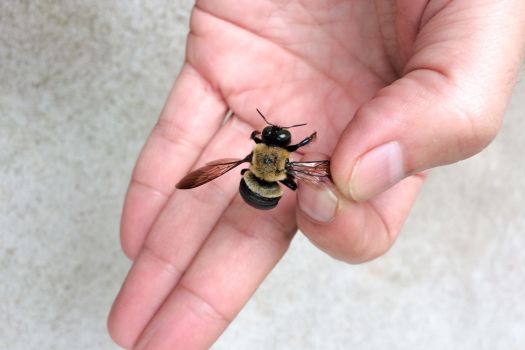
January – Inactive (Overwintering in Old Tunnels)
February – Inactive (Preparing to Emerge)
March – Emerging (Active Drilling Begins)
April – High
May – High
June – High
July – Moderate (New Bees Hatch)
August – Moderate
September – Low
October – Low
November – Inactive (Seeking Shelter)
December – Inactive
Neighborhoods We Serve in Brooks, GA
- Ashley Woods
- Brooks Lake
- Blalock Lakes
- Line Creek Estates
- Merritt Meadows
- River Oaks
- Meadowlark Farms
- Brooks Landing
- Sweet Bay Estates
FAQ’S
Q: How can I tell if I have carpenter bees?
A: You’ll notice smooth, round holes in wood surfaces and small piles of sawdust beneath them. You may also see large bees hovering near wooden eaves or decks.
Q: Do carpenter bees sting?
A: Males are aggressive but don’t sting. Females can sting but rarely do unless directly handled or threatened.
Q: Can carpenter bees damage my home?
A: Yes. Over time, their tunneling weakens wood and can cause structural and cosmetic damage if untreated.
Q: How do I prevent carpenter bees from returning?
A: Painting or staining exposed wood, sealing cracks, and scheduling annual pest inspections helps prevent nesting.
Q: How long does carpenter bee treatment last?
A: TruNorth’s treatments provide lasting protection through the active season, and we offer maintenance options for long-term prevention.
People Also Ask (PAA)
Q: Who offers the best carpenter bee control in Brooks?
A: TruNorth Pest Control provides expert carpenter bee removal and prevention throughout Brooks, GA.
Q: Are carpenter bees beneficial?
A: While they pollinate flowers, their nesting habits make them a structural pest when they target homes and buildings.
Q: Can I plug carpenter bee holes myself?
A: Not immediately. Holes should only be sealed after treatment to avoid trapping live bees inside, which can worsen damage.
Q: What attracts carpenter bees to my property?
A: Untreated, soft, or weathered wood is their preferred nesting site, especially in sunny, sheltered areas.
Q: How much does carpenter bee treatment cost in Brooks?
A: Treatment typically ranges from $200 to $500 depending on the size of the infestation and number of affected areas.