
Why Seasonal Storms Create Pest Surges
How Storm Season Changes the Way Pests Behave
Seasonal storms do more than bring heavy rain and wind. They also change the environment in ways that push pests closer to homes and increase indoor infestations. In places like Georgia and Florida where humidity and storms are common, weather patterns strongly influence pest movement. Storms disrupt nesting sites, flood underground habitats, remove natural food sources, and create new moisture pockets that pests rely on for survival. As storms roll through, many insects and rodents are forced to relocate quickly, and homes become the nearest safe shelter. Understanding how storms influence pest behavior helps homeowners stay ahead of sudden infestations.
Why Heavy Rain Pushes Pests Out of the Ground
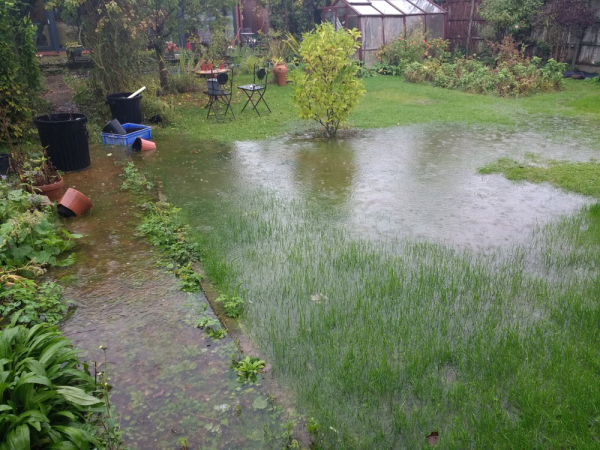
Many pests live primarily underground or in soil adjacent to the home. Ants, roaches, millipedes, earwigs, and even certain spiders rely on dry soil pockets for nesting and reproduction. When storms flood the ground, these habitats become unlivable. Pests must escape rising water immediately or risk drowning. Their instinct is to climb upward toward dry areas, which usually leads them directly into cracks along foundations, gaps around siding, and entry points around doors and windows. The more rainfall a storm produces, the faster the soil becomes saturated and the more aggressively pests move indoors.
How Wind Damages Pest Habitats
Strong winds remove vegetation, break tree limbs, and scatter debris across yards. These changes destroy natural pest shelters and hiding places. Ant mounds collapse, roach nests become exposed, and rodent burrows fill with loose soil. When natural shelters disappear, pests seek compensation by finding new, more secure environments. Indoor spaces provide warmth, moisture, and stability that storms cannot disrupt. Winds also blow pests directly against the exterior of a home, which increases the chances of them discovering new entry points around vents or gaps in siding.
Why Storm Moisture Creates Ideal Conditions for Bugs
Storms leave behind damp soil, standing water, and pools of moisture around foundations. Many pests are attracted to these conditions because moisture helps them reproduce and survive. Roaches thrive in damp environments and often multiply quickly after a storm. Mosquitoes breed in standing water that collects in gutters, buckets, plant trays, and yard debris. Termites become more active when soil moisture increases. Even ants take advantage of damp conditions to expand their colonies. Each of these moisture driven behaviors results in more pests around the home and a higher risk of infestation.
How Humidity Spikes Boost Indoor Pest Activity
After a storm passes, humidity levels often remain elevated for days. High humidity affects nearly every type of pest. Silverfish, centipedes, spiders, and roaches become significantly more active as humidity rises. They move around more often, reproduce faster, and respond strongly to indoor climate control. When the indoors is drier and cooler than the outdoors, pests follow the temperature gradient straight into the home. With every seasonal storm, this process repeats, resulting in consistent waves of new pest activity.
Why Storm Debris Creates New Pest Hiding Places
Branches, leaves, and yard debris accumulate quickly after a strong storm. These piles create fresh hiding places for pests that were displaced from their previous habitats. Rodents nest inside heavy debris piles, cockroaches shelter under wet leaves, and spiders weave webs inside fallen branches. These new shelters often lie close to the home, which shortens the distance pests must travel to find indoor entry points. Homeowners who skip post storm cleanup accidentally create temporary pest hubs that remain active for weeks.
How Storm Damage Opens New Entry Points
Storms can create small structural changes that go unnoticed. High winds may loosen siding, shift roof shingles, or open gaps around window frames. Water intrusion can weaken wood and allow pests to chew or squeeze through weakened areas. Even a minor gap created by storm activity is enough for ants, spiders, or roaches to enter the home. Rodents can take advantage of a space the size of a coin. If a storm compromises attic vents, soffits, or crawl space coverings, pests quickly move in and begin nesting. Storm damage does not always look severe, but even subtle changes can trigger significant pest surges.
Why Rodent Activity Spikes After Storms
Rodents are especially affected by storms because their nesting zones are easily destroyed. Flooded burrows, soaked insulation, and disrupted food trails force them to relocate. They begin searching for warm, dry, and stable environments immediately after the storm passes. Homes provide ideal conditions, especially if the yard is covered with debris that conceals their travel paths. Storms also remove natural predators such as snakes or owls, leaving rodents more confident to explore new areas, including garages, crawl spaces, and attics.
How Storms Influence Pest Reproduction Cycles
Moist soil, warm temperatures, and increased food availability create the perfect environment for faster pest reproduction. Ant colonies grow more rapidly after storms. Roaches lay more eggs when moisture is abundant. Mosquito populations can explode within a week if standing water remains. Even spiders begin producing more webbing when insect activity increases. These population surges often lead to infestations that feel sudden, but in reality they follow a predictable cycle tied to storm season.
Why Storm Season Makes Pest Prevention More Important
Seasonal storms create conditions that make pest prevention more challenging and more necessary. Regular inspections can reveal cracks or structural shifts caused by wind or rain. Sealing gaps, improving drainage, cleaning debris, and managing moisture help reduce pest pressure. Preventive treatments around the perimeter keep pests from entering when their nests are destroyed. A storm ready prevention plan ensures that pests displaced by weather have no easy way to reach the interior of the home.
How Homeowners Can Stay Ahead of Storm Related Pest Activity
Small steps make a big difference in reducing storm related pest surges. Clearing yard debris quickly removes hiding locations. Fixing damaged siding or roofing prevents new entry points. Checking gutters and downspouts helps reduce standing water around the home. Inside, reducing humidity and storing food in sealed containers creates fewer attractants. Preventive pest treatments and ongoing monitoring protect the home even as storms continue to influence pest movement.
Why Understanding Storm Driven Pest Surges Helps Protect Your Home
Seasonal storms are unavoidable, but infestations do not have to be. Recognizing how storms change pest behavior gives homeowners the advantage. When you understand how pests respond to flooding, humidity, debris, and shifting habitats, you can take steps to shield your home before problems begin. With the right preparation and consistent pest protection, you can keep your home secure and comfortable through every storm season.