
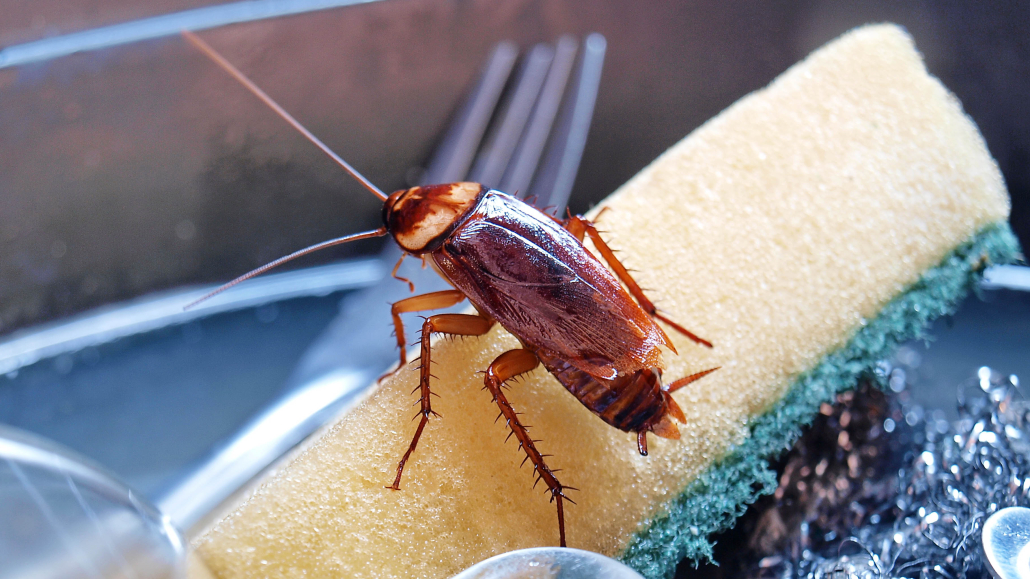
Why Cockroaches Can Survive Long Periods Without Food
Understanding the Survival Instincts of Cockroaches
Cockroaches are some of the toughest and most adaptive pests found in homes and businesses. Their ability to survive long periods without food is one of the main reasons infestations can escalate so quickly. Even when food sources are limited, cockroaches remain active, continue reproducing, and travel throughout a building in search of sustenance. This resilience frustrates homeowners and challenges pest professionals, making it essential to understand what allows cockroaches to endure extended periods without a steady supply of food.
How Cockroach Biology Supports Long-Term Survival
Cockroaches have adapted over millions of years to survive in harsh, unpredictable environments. Their bodies are designed to conserve energy and function efficiently, even when resources are scarce.
Several biological traits help them survive long periods without food:
• Slow metabolism: Cockroaches burn energy slowly, which allows them to stretch minimal resources.
• Durable exoskeleton: Their protective shell reduces dehydration and energy loss.
• Simple organ structure: Cockroaches require less internal energy to maintain body processes.
These characteristics let them endure far longer than most pests, making them particularly persistent when they settle inside a structure.
Why Cockroaches Can Go a Month Without Eating
One of the most surprising facts about cockroaches is their ability to survive for weeks without food. In ideal conditions, some species can live up to a month with no access to solid nutrients. While they cannot survive as long without water, their ability to last weeks without a meal means they continue hiding and reproducing even when homeowners believe the environment is clean or empty. This survival advantage allows infestations to linger unless addressed thoroughly and professionally.
How Cockroaches Use Minimal Food Sources
Cockroaches are one of the least picky eaters in the insect world. When food is scarce, they rely on substances most pests ignore. This makes it easier for them to survive even in well-maintained homes.
Cockroaches can feed on:
• Glue and adhesives
• Soap residue
• Hair and dead skin cells
• Cardboard
• Mold
• Grease buildup
Even a tiny spill behind a stove or residue inside a cupboard can sustain a small population. Their ability to survive on minimal, low-nutrient food sources means that eliminating visible food does not automatically eliminate the infestation.
Why Water Matters More Than Food
While cockroaches can go weeks without food, they cannot survive long without water. Some species last ten days without moisture, but most die sooner. Because of this, cockroaches often gather near dishwashers, sinks, refrigerator motors, and leaking pipes. Moisture-rich areas are more important to their survival than crumbs or spills, which explains why infestations often begin in kitchens and bathrooms. Without water, their survival abilities diminish rapidly, but as long as moisture is present, cockroaches can outlast most DIY control efforts.
How Reproduction Continues Even With Limited Food
Cockroach reproduction is another factor that makes them difficult to control. Even when food is limited, female cockroaches can still lay eggs, and egg cases can remain viable without ideal feeding conditions. Some species produce hardened oothecae that protect developing nymphs until they hatch. This means an infestation can grow even when adult roaches are starving. The ability to maintain population growth during periods of food scarcity is one of the biggest reasons infestations persist.
Why Cockroaches Hide Deeper When Food Is Scarce
When food becomes limited, cockroaches do not die off quickly. Instead, they adapt by hiding in deeper, darker parts of the home, where warmth, moisture, and protection remain. They travel through wall voids, behind appliances, and inside cabinets. Limited food access often leads to more aggressive searching behavior, causing roaches to wander into bedrooms, closets, and living spaces they would normally avoid. This is why seeing even a single cockroach is often a sign of a larger hidden infestation.
How Cockroach Fasting Makes DIY Treatments Less Effective
Because cockroaches can survive without food for long periods, attempts to starve them out rarely work. Even strong cleaning routines cannot eliminate every microscopic food particle or moisture source.
Additionally:
• Some baits become less attractive when roaches are in survival mode.
• Cockroaches may avoid treated areas until hunger forces them out.
• They can remain hidden long enough for DIY barriers to fail.
This behavior is why professional pest control is often necessary. Technicians use targeted strategies that work even when roaches are hiding or conserving energy.
Why Cockroach Survivability Makes Professional Treatment Essential
Cockroaches’ ability to survive long periods without food is more than an inconvenience—it is a major reason infestations need professional attention. Professionals understand how cockroach biology affects treatment choices. They use methods that target behavior patterns, moisture zones, reproduction cycles, and hiding places that DIY treatments overlook.
Professional strategies may include:
• Baits placed in strategic, hidden locations
• Growth regulators to stop reproduction
• Crack-and-crevice treatments
• Moisture control recommendations
• Monitoring to track movement and activity
The combination of behavioral knowledge and targeted treatments ensures cockroaches cannot simply hide, conserve energy, and wait for conditions to improve.
Keeping Cockroaches From Making a Comeback
Once cockroaches are eliminated, ongoing prevention is essential. They will return if moisture, shelter, or food sources become available again. Homeowners can reduce future risk by repairing leaks, sealing gaps, maintaining sanitation, and storing food properly. When paired with ongoing professional services, these steps keep cockroaches from reestablishing long-term colonies.