
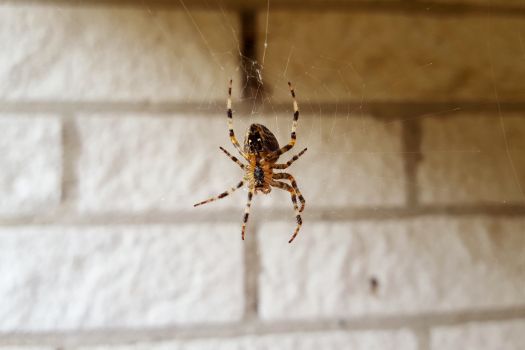
How Winter Reduces Natural Pest Predators
Winter significantly alters the natural systems that help regulate pest populations. As temperatures drop, many animals and insects that naturally prey on pests become inactive or disappear altogether. This seasonal shift removes an important layer of natural control, allowing pests to survive longer, move more freely, and establish infestations that often remain hidden until warmer weather returns.
Why Predator Activity Drops and Pest Survival Increases
Most natural pest predators depend on warmth and active food sources. Birds that feed on insects migrate to warmer regions, while reptiles and amphibians retreat underground or enter hibernation. Beneficial insects that prey on pests often die off or become dormant until spring. As these predators decline, the outdoor ecosystem loses balance.
Without constant predation, pest survival rates increase. More insects and rodents live long enough to reproduce, even during colder months. This survival advantage compounds over time, allowing pest populations to enter spring already established and more difficult to control.
How Reduced Predation Changes Pest Behavior and Movement
When predators are present, pests are forced to remain hidden and cautious. In winter, that pressure disappears. Pests become more confident and expand their movement patterns, traveling farther from nesting sites and exploring new areas. This increased mobility brings pests closer to homes, foundations, and structural entry points.
Rodents follow walls, utility lines, and sheltered pathways, while insects move freely through landscaping and exterior features. With fewer threats, pests take risks they normally would not, increasing the likelihood of indoor entry.
Why Winter Pushes Pests Indoors and Allows Them to Stay Hidden
Cold weather limits food and shelter outdoors, pushing pests toward buildings. Homes provide warmth, protection from weather, and access to food and moisture. At the same time, indoor environments lack natural predators entirely. Once pests gain access, they settle into wall voids, attics, crawl spaces, and basements where they can remain undisturbed.
Because activity shifts into hidden structural areas, infestations are harder to detect. Homeowners may notice faint noises or occasional sightings without realizing populations are growing out of sight. Damage and nesting continue quietly until warmer weather increases visible activity.
Why Rodents and Insects Benefit Most During Winter
Rodents experience significant population advantages in winter. Predators such as owls, hawks, and snakes that normally keep rodent numbers in check are far less active. Mice and rats reproduce more successfully and expand territory, often moving indoors for warmth and nesting material. Once inside, they face no natural threats.
Many insects also survive winter indoors despite harsh outdoor conditions. Warmth and shelter allow them to remain dormant or minimally active until spring. Without predators inside the home, these pests can persist long enough to reproduce later, leading to sudden increases in activity after months of quiet infestation.
How Professional Pest Control Replaces Natural Regulation
When nature no longer controls pest populations, professional pest control becomes the primary line of defense. Inspections identify hidden activity, treatments reduce populations, and exclusion work prevents pests from settling indoors. Addressing infestations during winter interrupts the cycle before populations expand.
Preventing winter infestations protects homes year round and limits the severity of pest problems when warmer seasons return. Proactive control fills the gap left by absent predators and keeps pest pressure from building unnoticed.