
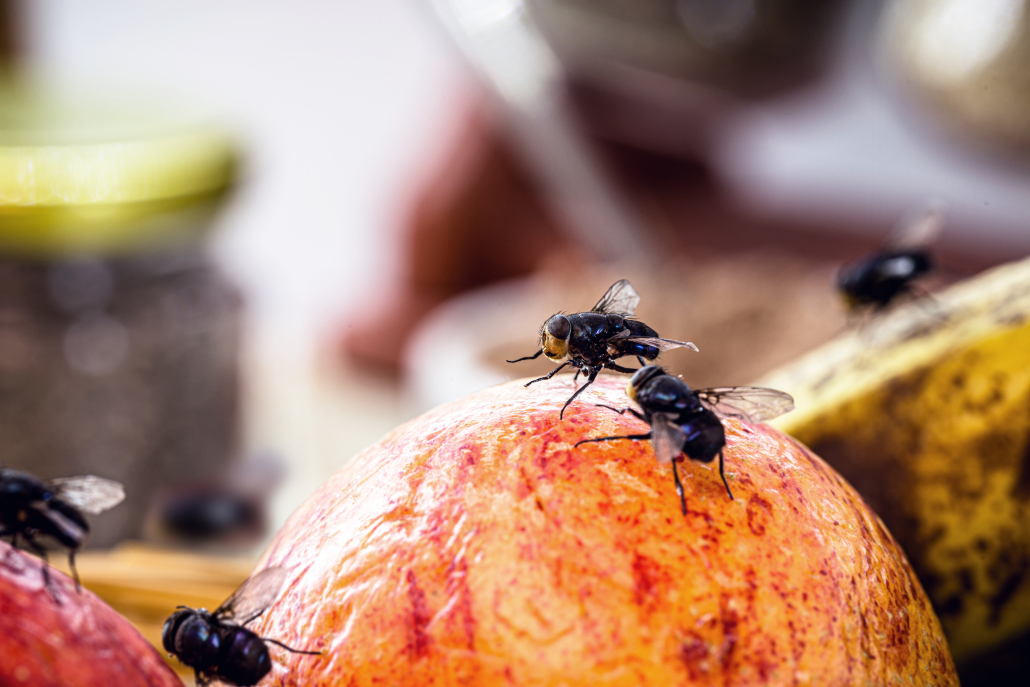
Why Pantry Pests Spread Through Multiple Life Stages at Once
Pantry pests are rarely limited to what is immediately visible. When adult insects appear in stored food areas, the infestation is usually already established across multiple products and stages of development. Pantry pests spread efficiently because their entire life cycle can occur inside food items and packaging, allowing eggs, larvae, pupae, and adults to exist at the same time. This overlapping development makes infestations difficult to detect early and challenging to eliminate without a structured approach.
Multiple Life Stages Exist Inside the Same Food Source
Pantry pests such as beetles and moths deposit eggs directly into food products or packaging seams. Once eggs hatch, larvae begin feeding immediately and remain concealed within the food itself. As larvae mature, they pupate and eventually emerge as adults, often without ever leaving the original product.
Because this process happens internally, infestations are not confined to a single visible stage. While adults move freely between food items, eggs and larvae continue developing elsewhere. This overlap allows the infestation to expand continuously, even when some pests are removed.
Hidden Development Allows Infestations to Go Unnoticed
Larval stages cause the most damage but are rarely seen. Feeding occurs inside food products, leaving behind contamination, webbing, or fine debris that may go unnoticed at first. Adults are typically the first stage homeowners observe, which creates the impression that the problem is recent.
In reality, multiple generations may already be present. By the time adults are visible, larvae and eggs are often spread across several stored items, allowing the infestation to persist even after surface level cleaning.
Why Removing Visible Insects Is Not Enough
Eliminating adult pantry pests does not stop the infestation. Eggs and larvae remain protected within food and packaging, allowing new adults to emerge shortly after visible insects are removed. This leads to repeated sightings and the false belief that treatments are failing.
Without addressing all life stages simultaneously, infestations cycle continuously. Removing only visible insects delays control rather than resolving the problem.
How Pantry Storage Supports Ongoing Spread
Pantries provide stable environments that support uninterrupted development. Food is readily available, shelves offer shelter, and disturbance is minimal. As adults emerge, they move to new food sources to lay eggs, spreading the infestation further.
Packaging materials often allow pests to enter unnoticed. Thin cardboard, paper, and plastic offer little resistance, enabling infestations to spread beyond the original source and affect unopened products.
Why Professional Treatment Is Necessary
Professional pest control focuses on identifying the full scope of the infestation, including hidden development. Treatment includes removal of contaminated items, targeted application in affected areas, and strategies designed to interrupt the life cycle.
Monitoring ensures that newly emerging pests are addressed before reproduction continues. This approach targets the infestation as a whole rather than reacting to individual insects.
Controlling All Life Stages Prevents Recurrence
Pantry pests spread through multiple life stages at once, which allows infestations to grow quietly and reappear after partial cleanup. Successful control requires eliminating eggs, larvae, and adults together.
By addressing all stages at the same time, professional treatment prevents reinfestation and protects stored food from ongoing contamination.