
Understanding the Connection Between Weather and Pest Behavior
Weather plays a crucial role in determining when and why pests invade your home. Temperature extremes, heavy rainfall, drought conditions, and humidity levels all influence pest activity in predictable ways. By understanding these patterns, you can take proactive steps to protect your property before infestations occur. At TruNorth Pest Control, we help homeowners anticipate and prevent weather-driven pest problems throughout the year.
How Temperature Extremes Push Pests Indoors
When temperatures spike or plummet, pests react by seeking shelter in climate-controlled environments. Your home provides the perfect refuge from harsh outdoor conditions.
Cold Weather and Pest Migration
As temperatures drop below freezing, insects and rodents begin searching for warm places to survive. Mice and rats are particularly active during cold snaps, squeezing through gaps as small as a quarter inch to access your heated interior. Spiders, stink bugs, and boxelder bugs also seek warmth, often congregating in wall voids, attics, and basements. Cockroaches, which cannot survive prolonged exposure to cold, will migrate toward kitchens and bathrooms where heat and moisture are abundant.
Extreme Heat and Pest Behavior
High temperatures drive pests indoors for different reasons. During heat waves, insects seek cooler environments and reliable water sources. Ants become especially problematic, forming extensive trails toward kitchens and bathrooms. Earwigs, centipedes, and silverfish move into damp basements and crawl spaces to escape the scorching outdoor heat. Even flying pests like wasps may build nests in shaded areas of your home structure.
Rainfall and Humidity Effects on Pest Activity
Precipitation patterns dramatically influence pest populations and their likelihood of entering your home.
Heavy Rain and Flooding
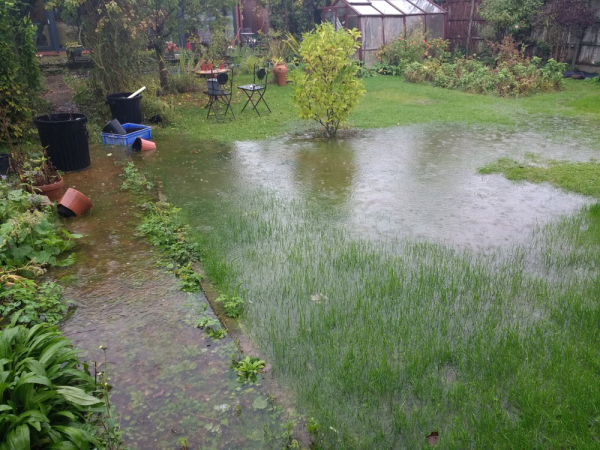
Extended rainfall and flooding force ground-dwelling pests to seek higher ground. Fire ants form floating colonies and relocate to dry areas, including foundations and walls. Earthworms emerge from saturated soil, attracting predatory pests like centipedes and millipedes to your doorstep. Mosquito populations explode after heavy rains as standing water creates ideal breeding conditions. Additionally, excessive moisture can drive termites closer to your foundation, increasing the risk of structural damage.
Drought Conditions
Conversely, drought conditions push pests indoors in search of water. When outdoor water sources dry up, cockroaches, ants, and rodents aggressively pursue indoor moisture. You may notice increased pest activity around leaky pipes, pet water bowls, and bathroom fixtures during extended dry periods. Even wildlife like raccoons and squirrels may venture closer to homes seeking hydration.
High Humidity Environments
Sustained humidity creates favorable conditions for pest reproduction and survival. Cockroaches thrive in humid environments and multiply rapidly when conditions are right. Dust mites, which trigger allergies in many people, flourish when indoor humidity exceeds 50 percent. Termites also prefer humid conditions and are more likely to establish colonies near moisture-damaged wood.
Storm Activity and Pest Displacement
Severe storms, including high winds and hail, disrupt pest habitats and force sudden relocations.
Wind Damage and Habitat Destruction
Strong winds can destroy outdoor nests, forcing wasps, hornets, and bees to find new shelter quickly. Tree damage during storms displaces squirrels, birds, and other wildlife that may then seek refuge in attics and chimneys. Debris accumulation around your home after storms provides harborage for spiders, earwigs, and ground beetles.
Post-Storm Prevention Steps
After any significant storm event, inspect your property for damage that could create pest entry points. Check roof lines, soffits, and foundation seals for gaps. Remove fallen branches and debris piled against your home. Clear gutters to prevent standing water that attracts mosquitoes. For comprehensive guidance on safe and effective pest management approaches, the EPA provides valuable pest control resources for homeowners.
Practical Steps to Weather-Proof Your Home Against Pests
Taking preventive action before weather events occur is far more effective than reacting to infestations. Seal cracks and gaps around windows, doors, and foundation lines using weather-resistant caulk. Install door sweeps and repair damaged screens. Address moisture problems promptly by fixing leaky pipes and improving ventilation in damp areas. Keep gutters clean and direct downspouts away from your foundation. Store firewood at least 20 feet from your home and elevate it off the ground.
When to Call Professional Pest Control
While prevention is essential, some weather-driven infestations require professional intervention. If you notice signs of rodent activity, termite damage, or recurring insect problems despite your efforts, contact a licensed pest control provider. Professional technicians can identify entry points you may have missed and apply targeted treatments that provide lasting protection.
Frequently Asked Questions About Weather and Pests
Why do I see more bugs after it rains?
Heavy rainfall saturates the soil and floods underground habitats, forcing insects like ants, earwigs, and centipedes to seek dry shelter. Your home provides an attractive refuge with stable conditions.
Do pests die off during winter freezes?
While some insects die during extreme cold, many species survive by entering homes, burrowing underground, or entering a dormant state called diapause. Rodents remain active year-round and increase indoor activity during cold weather.
How does humidity affect indoor pest problems?
High humidity accelerates pest reproduction and attracts moisture-loving species like cockroaches, silverfish, and termites. Keeping indoor humidity below 50 percent helps deter these pests.
Can weather damage to my home increase pest problems?
Yes. Storm damage creates new entry points through damaged roofing, siding, and foundation seals. Promptly repairing weather damage is essential for preventing pest invasions.
What is the best time to schedule preventive pest control?
Scheduling treatments before major weather transitions, such as before the first freeze or ahead of rainy seasons, provides the most effective protection against weather-driven pest activity.