
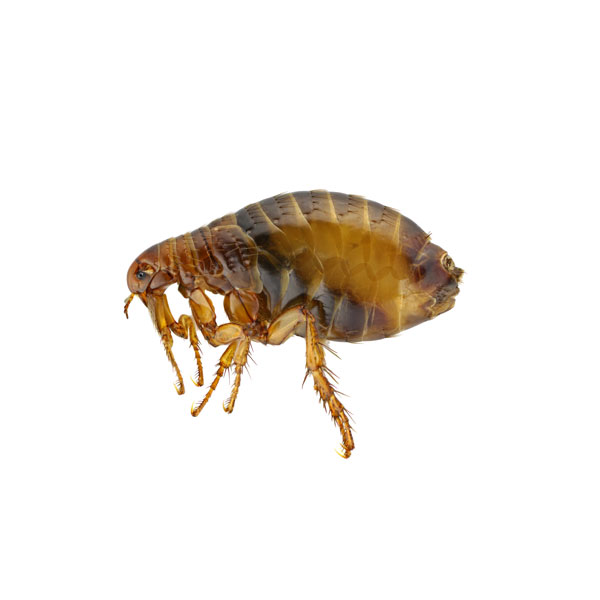
How to Deal With a Flea Infestation in Your Georgia Home When You Have Pets
For pet owners across Metro Atlanta and Middle Georgia, fleas are not a hypothetical concern. They are a genuine seasonal reality that becomes a genuine year-round threat given the climate. If you have a dog or cat, or both, and they spend any time outdoors, you are operating in one of the most favorable environments in the country for flea activity. Understanding what you are actually dealing with, and why so many Georgia homeowners struggle to get ahead of it, is the first step toward fixing the problem for good.
Why Georgia Is Such a Bad Place for Flea Problems
The humid, warm weather found in Georgia throughout much of the year allows fleas to thrive, and fleas can complete their life cycle either inside or outside and quickly take over any space, with wild animals most frequently introducing fleas into yards where pets or people may come into contact with them and carry them indoors.
In much of the country, a hard winter slows or stops flea populations. In Georgia, that relief is inconsistent and often brief. Fleas in Atlanta and surrounding communities can remain active well beyond what homeowners expect, which is why infestations that begin in summer can still be present and growing well into fall and winter if not addressed completely.
Why Your Pet’s Flea Medication Is Not Enough
This is the most common misconception Georgia pet owners run into. A veterinarian-prescribed flea preventative for your dog or cat is a critical part of the solution, but it addresses only one piece of a much larger problem.
Since the flea has multiple life stages including egg, larvae, cocoon, and adult, when adult fleas are present on a pet it is assumed all of these stages are also present throughout your house, which means that having your animals on flea medication will help your pet but it will not stop fleas from living and breeding in the environment around them.
When a flea lays eggs on your pet, those eggs fall off into your carpet, your furniture, your pet’s bedding, and anywhere else your animal goes. The infestation is not just on your pet. It is embedded in your home. Treating only the pet while ignoring the environment is why so many Georgia homeowners find themselves fighting the same flea problem weeks after they thought it was resolved.
What a Flea Infestation Actually Looks Like in a Home
Common signs of a flea infestation include excessive scratching, biting, and hair loss in pets, flea dirt visible as black specks that turn red when wiped with a damp cloth, and live fleas visible especially around a pet’s tail, neck, or belly, though by the time humans are being bitten around the ankles, the infestation is already significant. Chewy
The infestation is almost always larger than it appears. For every adult flea visible on your pet, there are eggs, larvae, and pupae distributed throughout your home in varying stages of development. That is what makes fleas so persistent and so difficult to eliminate through surface-level treatment alone.
The Three Places You Have to Treat Simultaneously
Eliminating a flea infestation in a Georgia home requires treating three environments at the same time: your pet, the interior of your home, and the exterior yard. Addressing any two while ignoring the third means the problem continues.
Your pet must be on a veterinarian-approved flea treatment throughout the process. Your home interior requires treatment of all floor surfaces, furniture, and pet bedding, with particular attention to areas where your pets spend most of their time. Vacuuming carpets, rugs, and cushions frequently is essential, and the vacuum contents must be disposed of in a sealed bag outdoors immediately after each session to prevent newly hatched fleas from escaping back into the home. CDC
Your yard is where the flea population is being continuously replenished, particularly in shaded, humid areas around shrubs, tall grass, leaf piles, and decaying wood. In the yard, fleas prefer habitats with shade and cannot tolerate sun for long periods, so mowing frequently to expose soil to sunlight and avoiding overwatering to reduce humidity makes your yard less inviting to fleas taking up residence outdoors.
Why Professional Treatment Is Necessary for a True Infestation
Store-bought flea bombs and sprays are a frequent first response that rarely solves a significant infestation. Foggers in particular disperse product through the air but cannot reach the areas under furniture, deep in carpet fibers, and along baseboards where flea eggs and larvae are actually concentrated.
Professional treatment uses an insecticide that contains both an adulticide to kill adult fleas and an insect growth regulator to kill eggs, larvae, and pupae, with hand-held sprayers and aerosol application directed precisely to the areas under beds and other locations that foggers cannot reach.
It is normal to see more fleas temporarily in the seven to fourteen days following professional treatment, as the insecticide kills adults but also stimulates pupae to hatch, leading to a temporary increase in visible fleas that indicates the treatment is working and requiring vacuuming daily to expose developing larvae to the treatment.
What to Do Right Now If You Have Pets in a Georgia Home
The most important step Georgia pet owners can take before a flea problem develops is consistent year-round flea prevention for every pet in the household, coordinated with your veterinarian. Once an infestation is established, the combination of veterinarian-prescribed pet treatment, aggressive home cleaning, and professional exterior and interior pest treatment is the only reliable path to full elimination.
TruNorth treats fleas as part of its SuperHero pest control plan covering the full range of Georgia household pests, as well as through targeted flea treatments for homes that need focused attention. TruNorth uses family and pet friendly products across every service, and all work is backed by a 100% satisfaction guarantee. To schedule a free inspection, visit trunorthpest.com/free-quote or contact the team at trunorthpest.com/contact-us.