
Address
TruNorth Pest Control | Wasp Control in Alcovy, GA
Noticing paper-like nests near your home’s entryways or roofline? Wasps can be aggressive defenders of their nests and pose a stinging threat to your family. TruNorth Pest Control offers expert wasp control in Alcovy, GA to safely remove nests and prevent return visits.
Why Wasps Are a Problem in Alcovy
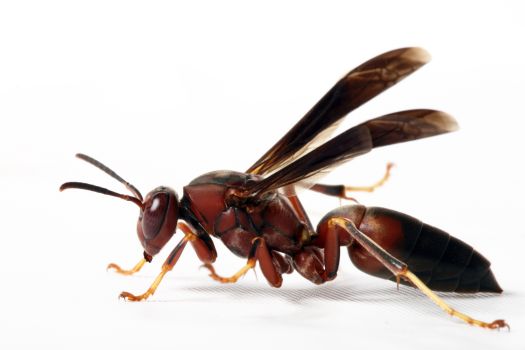
In Alcovy’s warm and wooded neighborhoods, wasps often build nests under eaves, inside sheds, attics, or in shrubs. Some species are solitary, while others form large colonies. Disturbing a nest can lead to painful stings and dangerous allergic reactions.
TruNorth’s Wasp Control Process
We use a multi-step method: inspection of all nest zones, targeted knockdown of live nests, treatment of potential harborage areas, and long-lasting residual products to deter nesting behavior.
Seasonal Wasp Activity in Alcovy, GA
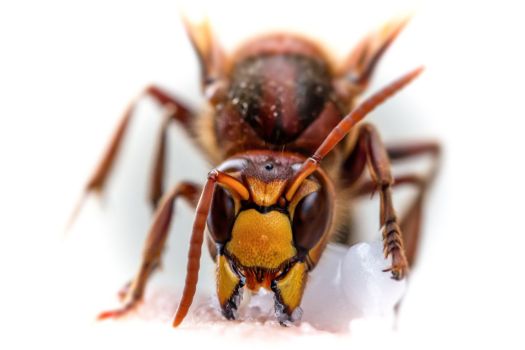
January – Inactive
February – Inactive
March – Low
April – Moderate
May – High
June – High
July – High
August – High
September – Moderate
October – Low
November – Inactive
December – Inactive
Neighborhoods We Serve in Alcovy
– Alcovy Estates
– Alcovy Forest
– River Walk Farms
– Saddlebrook
– Alcovy Bluffs
FAQ’S
Q1: Where do wasps usually nest?
A1: Under eaves, deck railings, in grills, attics, and shrubbery.
Q2: Are wasps dangerous?
A2: Yes. Multiple stings can be harmful, especially for those with allergies.
Q3: Should I remove a wasp nest myself?
A3: No. Professional removal ensures your safety and complete elimination.
Q4: Do wasps reuse nests?
A4: No, but they often return to the same areas if conditions remain favorable.
Q5: Are your wasp treatments safe?
A5: Yes. We use EPA-approved products that are safe for families and pets when dry.
People Also Ask (PAA)
Q: What keeps wasps away naturally?
A: Peppermint oil, sealing entry points, and removing food sources can help.
Q: When are wasps most active in Georgia?
A: Late spring through early fall, especially June through August.
Q: Can wasps come back after nest removal?
A: Yes, if nesting conditions remain. Preventative treatment helps keep them away.