
Address
TruNorth Pest Control | Carpenter Bee Control in Austell, GA
Carpenter bees in Austell, GA can cause costly damage to decks, fences, and other wooden structures around your home. Unlike termites, they don’t consume wood—but they drill smooth, round holes to create nesting tunnels. Over time, this activity weakens support beams and invites moisture and secondary pest issues. TruNorth Pest Control provides targeted carpenter bee treatments designed to eliminate active infestations and prevent future nesting.
Why Carpenter Bees Are a Problem in Austell
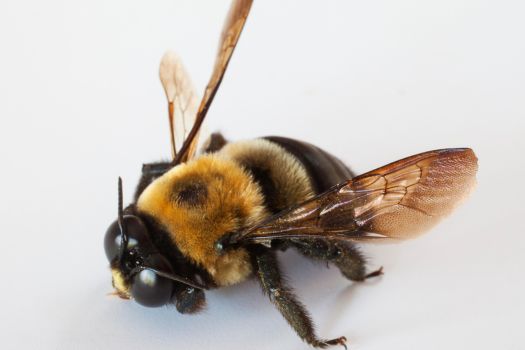
The warm climate and abundance of exposed wooden surfaces in Austell make it an ideal environment for carpenter bees. They often target untreated or unpainted wood, boring holes beneath eaves, decks, and railings. If left unchecked, recurring nesting can lead to significant structural deterioration and attract woodpeckers that feed on larvae.
TruNorth’s Carpenter Bee Control Process
-
Inspection – We identify nesting sites, entry holes, and vulnerable wood surfaces.
-
Treatment – Specialized insecticides are applied directly into nesting galleries for maximum effectiveness.
-
Sealing – Once bees are removed, we seal holes to prevent reentry and reinforce affected areas.
-
Prevention – We apply repellents and recommend staining or painting exposed wood to deter future nesting.
-
Monitoring – Seasonal inspections help ensure your property remains carpenter bee-free.
Seasonal Activity Calendar for Carpenter Bees in Austell, GA
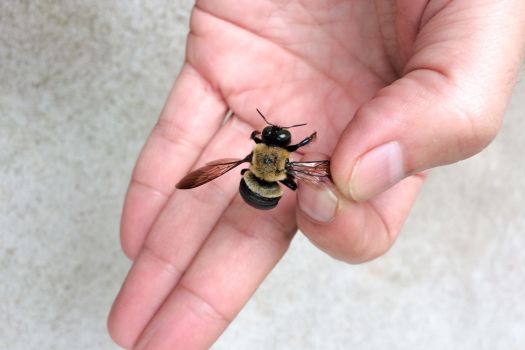
January – Inactive
February – Inactive
March – Emerging
April – High
May – High
June – Active
July – Moderate
August – Low
September – Low
October – Inactive
November – Inactive
December – Inactive
Neighborhoods We Serve in Austell, GA
- Austell Heights
- Camerons Crossing
- Sweetwater Manor
- Silver Creek
- Gordon Hills Estates
FAQ’S
Q1: What attracts carpenter bees to my home?
A1: Carpenter bees are drawn to untreated, unpainted wood such as pine, cedar, and redwood.
Q2: Do carpenter bees sting?
A2: Males cannot sting, and females are non-aggressive unless handled.
Q3: How serious is the damage from carpenter bees?
A3: Over time, repeated nesting can weaken decks, fences, or beams and cause unsightly holes.
Q4: Can I seal the holes myself?
A4: Not before treatment—trapped larvae can worsen infestations. It’s best to let professionals handle it.
Q5: Are your treatments safe for my family?
A5: Yes, our treatments are safe, eco-conscious, and designed to protect your property and loved ones.
People Also Ask (PAA)
How do I permanently get rid of carpenter bees?
Treat existing holes, seal them after treatment, and apply repellents to deter future nesting.
Why do carpenter bees keep coming back?
They return to familiar nesting sites each year unless the area is treated and properly sealed.
What time of year are carpenter bees most active?
Spring is peak activity season, especially from April through May.
Do carpenter bees eat wood?
No, they bore into it to nest but do not consume it.
Are carpenter bees pollinators?
Yes, they are valuable pollinators, but their nesting habits can damage wood structures.