
Address
TruNorth Pest Control | Carpenter Bee Control in Byron, GA
If you’re noticing round holes in wooden trim or decks around your home, you may be dealing with carpenter bees. TruNorth Pest Control provides professional carpenter bee control in Byron, GA, using proven treatments designed to eliminate these wood-boring pests and protect your property from costly damage.
Why Carpenter Bees Are a Problem in Byron
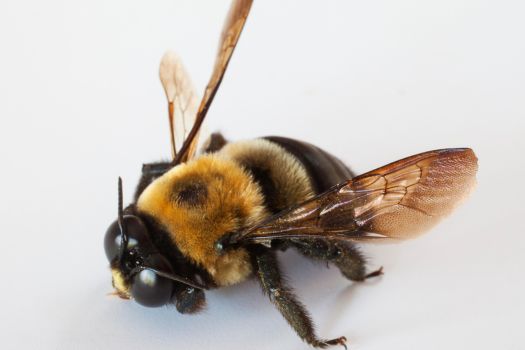
Byron’s warm, humid climate and abundance of wooden structures make it an ideal environment for carpenter bees. Common in neighborhoods like New Haven, Preston, Powersville, North Peach Industrial District, and Heritage Estates, these bees burrow into decks, fascia boards, and fences to build nesting tunnels. While they don’t eat wood, their boring activity can cause long-term structural issues and attract woodpeckers searching for larvae.
Our Proven Carpenter Bee Treatment Process
-
Inspection: Locate nesting holes and active bee sites.
-
Customized Plan: Apply dust and residual treatments inside tunnels and surrounding wood.
-
Follow-Up: Reinspect and retreat as necessary to ensure complete control.
-
Prevention: Recommend sealing and painting wood to prevent re-infestation.
Carpenter Bee Activity in Byron by Month
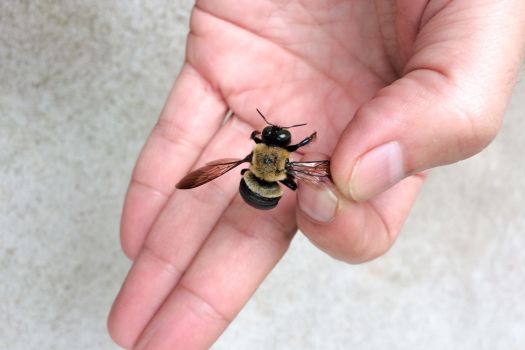
January – Low
February – Low
March – Moderate
April – High
May – High
June – High
July – High
August – High
September – Moderate
October – Moderate
November – Low
December – Low
Byron Neighborhoods We Serve
- New Haven
- Preston
- Powersville
- North Peach Industrial District
- Heritage Estates
FAQ’S
Q: Do carpenter bees sting?
A: Males cannot sting, and females only sting if provoked—making them more of a structural threat than a safety risk.
Q: Why are there holes in my wood trim?
A: Carpenter bees drill round holes into wood to create nesting tunnels for their young.
Q: Are carpenter bees harmful to homes?
A: Yes. Over time, repeated nesting can weaken decks, fascia boards, and outdoor structures.
Q: What’s the difference between carpenter bees and bumblebees?
A: Carpenter bees have shiny, hairless abdomens and bore into wood, while bumblebees are fuzzy and nest in the ground.
Q: Can you prevent carpenter bee infestations?
A: Yes. Painting, sealing exposed wood, and using preventive pest control treatments help deter nesting.
People Also Ask (PAA)
Q: When are carpenter bees most active?
A: They’re most active in spring and early summer during nesting season.
Q: Do carpenter bees return to the same nests?
A: Yes, they often reuse and expand existing tunnels each year.
Q: Can carpenter bees damage painted wood?
A: They prefer untreated wood but can still burrow into painted or stained surfaces if weathered.
Q: What attracts carpenter bees?
A: Exposed, unpainted, or soft wood on eaves, decks, and fences attracts them most.
Q: How can I tell if carpenter bees are active?
A: Look for smooth round holes, sawdust piles below openings, and hovering bees near wood surfaces.