
How Cold Weather Slows Some Pests and Speeds Up Others
Understanding How Winter Changes Pest Behavior
Winter brings dramatic shifts in pest activity as temperatures fall and resources become limited. While many people assume cold weather eliminates pests, the truth is more complex. Some pests slow down and enter survival mode, while others actually become more active indoors. Cold weather affects movement, feeding, reproduction, and shelter seeking, creating unique pest challenges during the winter months. Understanding how different pests respond to cold temperatures helps you protect your home more effectively.
Why Some Pests Slow Down in Cold Weather
Cold temperatures reduce the metabolic rate of many insects. This means their bodies function more slowly, and their movements, feeding, and breeding activity decrease. Pests such as ants, mosquitoes, and many beetles rely on external warmth to stay active. When temperatures drop, these pests become sluggish and may enter a dormant or semi dormant state. They hide under leaves, soil, bark, or debris until temperatures rise again. While their outdoor activity decreases, these pests may still invade homes if they detect warmth or accessible shelter.
How Cold Weather Triggers Dormancy
For some pests, winter conditions trigger a type of hibernation called diapause. During this state, insects pause development and remain inactive until temperatures rise. Mosquitoes, fleas, and certain beetle species commonly enter diapause. Eggs and larvae may also become dormant, allowing pests to survive through winter and reappear when conditions improve. This pause does not eliminate the pest population but preserves it until the warmer months return.
Why Other Pests Become More Active Indoors
While some pests slow down outdoors, cold weather actually speeds up activity for pests seeking warmth and food inside homes. Rodents, spiders, cockroaches, silverfish, and ants increase movement as they search for heated environments. Homes provide the perfect combination of warmth, moisture, and shelter that pests need to survive the winter. Once inside, these pests often reproduce faster than they would outdoors, creating growing infestations throughout the season.
How Rodents Thrive During Winter
Rodents are among the most active winter pests. Cold temperatures push mice and rats to find warm places to nest, and homes offer everything they need. Rodents become more motivated to enter houses through cracks, gaps, and openings around doors and windows. Once inside, they move quickly to find food and nesting material. Their activity increases as they prepare for winter survival, often resulting in more scratching noises, droppings, and structural damage.
Why Spiders Explore More Indoor Areas
Spiders do not hibernate during winter, but their behavior changes as outdoor prey becomes scarce. Cooler temperatures encourage them to move indoors where insects remain active. Basements, attics, closets, and utility areas provide the warm, dark environments spiders prefer. While they may slow slightly outdoors, indoor conditions speed up their hunting behavior as they search for reliable food sources.
How Cockroaches Take Advantage of Winter Warmth
Cockroaches survive well in heated homes because their bodies function best in warm environments. As outdoor temperatures drop, cockroaches move quickly into kitchens, bathrooms, and laundry rooms where heat and moisture are abundant. Their reproductive cycles also accelerate in warm indoor settings, making winter one of the most active seasons for indoor roach infestations. Without intervention, populations can grow rapidly.
Why Silverfish Become More Noticeable in Winter
Silverfish are attracted to warm, humid environments. Winter heating systems create perfect indoor conditions for them, especially in bathrooms, storage areas, and closets. While they may slow slightly outdoors, indoor warmth speeds up their movement as they seek moisture rich hiding spots. Winter often brings increased silverfish sightings as they roam in search of accessible food, such as paper, fabrics, and stored items.
How Cold Weather Creates More Indoor Ant Problems
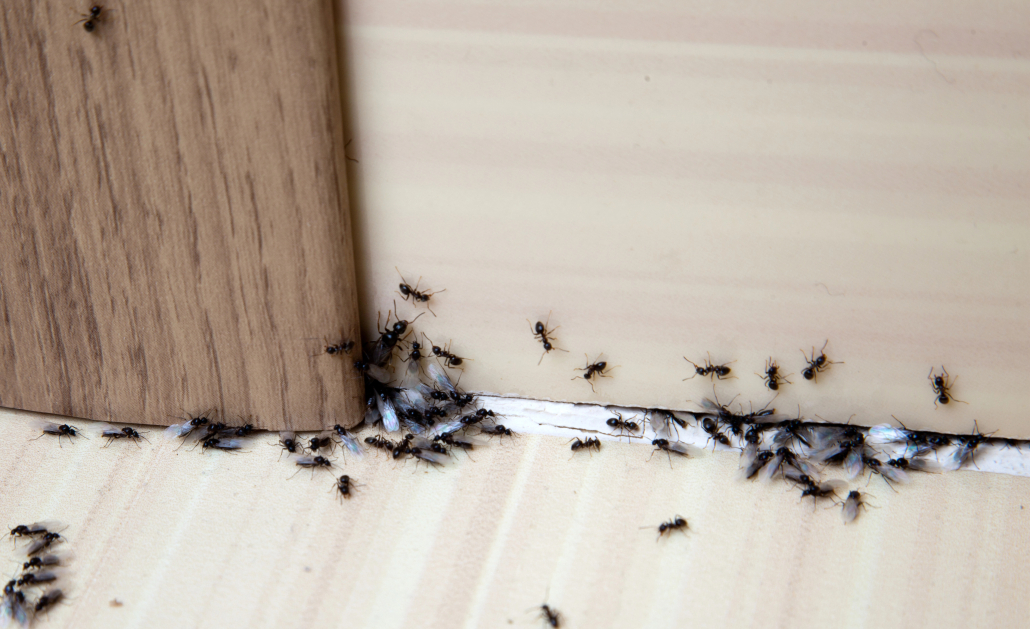
Ants typically slow down outdoors during winter, but some species remain active indoors. Once they discover warmth and food sources inside, their movements increase. Ants may form satellite colonies within walls, crawl spaces, or heated foundation areas. While the main colony remains slower outside, indoor ants become active problem pests until temperatures rise.
Why Moisture Plays a Major Role in Winter Pest Speed
Moisture levels change significantly during winter due to heating systems, condensation, and cold rain. Many pests speed up their movements when they detect moisture indoors because it signals survival. Cockroaches, silverfish, centipedes, and spiders all rely on damp areas. Meanwhile, cold and dry outdoor conditions slow other pests. This contrast between indoor and outdoor environments is what drives large pest migrations during winter.
How Warmer Winter Days Speed Pest Activity Outdoors
Not all winter days are equally cold. Warmer afternoons and mild winter spells can temporarily boost pest movement. Ants, spiders, and mosquitoes may emerge briefly on warm days before retreating again once temperatures drop. This stop and start pattern makes winter pest activity unpredictable. Homeowners may believe pest season is over, only to see sudden bursts of activity during unexpected warm days.
Why Winter Pest Control Is More Important Than Many Realize
Because winter changes pest behavior in different ways, it is one of the most important times for pest control. Slower outdoor pests hide in sheltered spaces where they wait for spring, while faster indoor pests use winter warmth to expand their presence. Professional winter pest control targets both types of activity, sealing entry points, treating indoor hotspots, and managing dormant pests before they return. This two level approach prevents pests from becoming long term problems.
Staying Protected Through Every Winter Shift
Cold weather affects pests in unique and surprising ways. While some slow down outdoors, many speed up indoors, creating new challenges for homeowners. Understanding these patterns helps you stay proactive and prepared. With proper prevention, moisture control, and professional treatment, you can keep your home protected from winter pest movement and maintain a clean, comfortable environment all season long.