
How Crawl Space Moisture Creates Long Term Pest Activity in Southern Properties
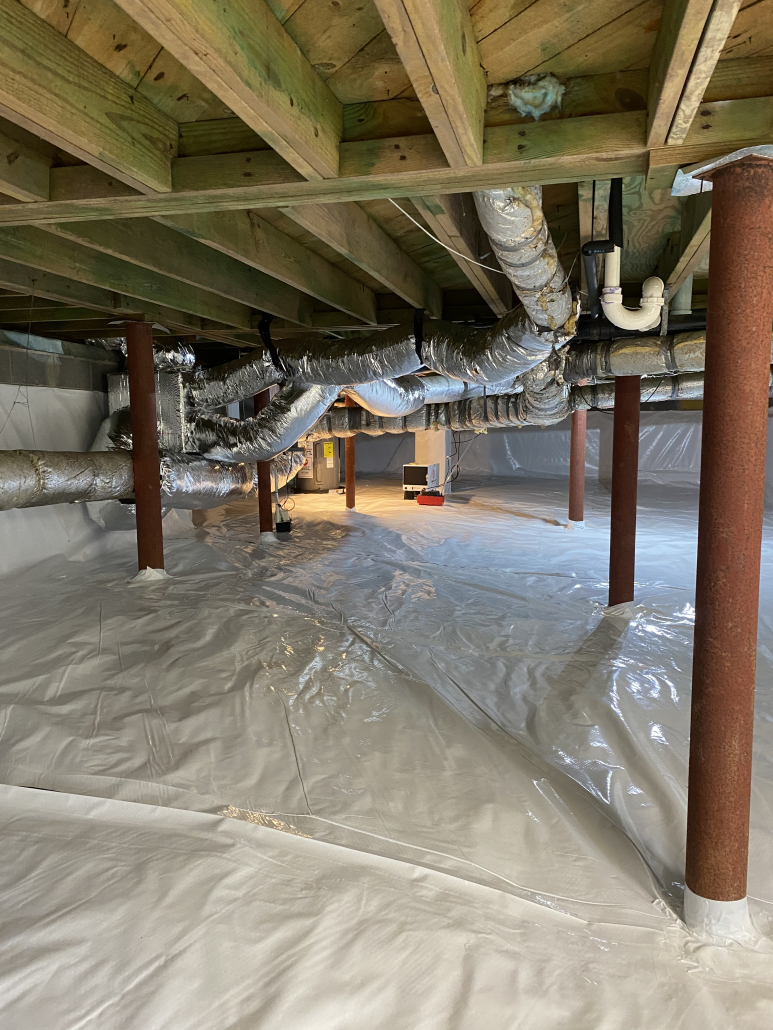
Crawl spaces play a larger role in pest activity than most property owners realize. In Southern regions where humidity, rainfall, and warm temperatures are consistent, crawl spaces often become the primary environment supporting long term infestations. When moisture is present beneath a structure, it creates a stable habitat that allows pests to survive, reproduce, and spread upward into living areas.
Why Crawl Spaces Retain Moisture in Southern Climates
Southern properties experience frequent rain, high humidity, and slower evaporation rates. Crawl spaces are naturally cooler and shaded, which prevents moisture from drying out efficiently. Poor ventilation, inadequate vapor barriers, and soil exposure further trap moisture beneath the home.
Even when surface conditions appear dry, crawl spaces may remain damp year round. This persistent moisture becomes a reliable resource for pests that require humidity to survive, including ants, cockroaches, termites, and rodents.
How Moisture Turns Crawl Spaces Into Pest Harborage Zones
Moist environments support organic decay, fungal growth, and insect food sources. Wood framing absorbs moisture, insulation becomes saturated, and soil remains soft. These conditions attract pests seeking shelter and nesting material.
Ants and cockroaches establish colonies in damp soil and structural voids. Rodents use moisture softened areas to burrow and nest. Termites are drawn to wood with elevated moisture content, increasing the risk of structural damage. Once pests establish themselves in the crawl space, they gain protected access to the rest of the home.
The Vertical Spread of Pest Activity
Crawl spaces act as a foundation level entry and staging area. From below, pests move upward through plumbing penetrations, electrical chases, wall cavities, and flooring seams. Because these pathways are concealed, infestations often spread without visible warning signs.
Homeowners may notice pest activity in kitchens, bathrooms, or utility rooms without realizing the source is directly beneath the structure. Treating only the visible areas fails to address the core population residing below.
Why Crawl Space Moisture Sustains Year Round Infestations
In Southern regions, crawl spaces rarely experience the temperature drops that limit pest activity in colder climates. Combined with constant moisture, this creates a year round environment where pests do not need to hibernate or migrate.
Populations continue to reproduce slowly during cooler months and expand rapidly as temperatures rise. Without intervention, infestations grow steadily rather than seasonally, making them harder to eliminate over time.
Limitations of Surface Level Pest Treatments
Surface treatments inside the home may reduce visible activity, but they do not resolve infestations rooted in crawl spaces. As long as moisture remains present, pests can retreat, recover, and reemerge.
Effective control requires addressing the conditions that allow pests to survive below the structure. Without targeting crawl space environments, treatments often become reactive rather than preventative.
How Professional Pest Control Addresses Crawl Space Activity
Professional pest management in Southern properties focuses on controlling pests where they originate. This includes targeted crawl space treatments designed to disrupt nesting, movement, and reproduction. Ongoing service helps suppress populations before they spread upward.
By managing pest pressure at the foundation level, professionals reduce the likelihood of recurring infestations inside living spaces. This approach is essential in regions where moisture cannot be fully eliminated.
Long Term Protection for Southern Homes
Crawl space moisture is a structural reality for many properties. While it cannot always be removed, its impact on pest activity can be managed. Consistent pest control strategies that account for moisture driven behavior provide long term protection.
Addressing crawl space conditions early prevents pests from establishing permanent footholds beneath the home. In Southern climates, controlling pest activity starts from the ground up.