
How Do Ticks Spread Disease?
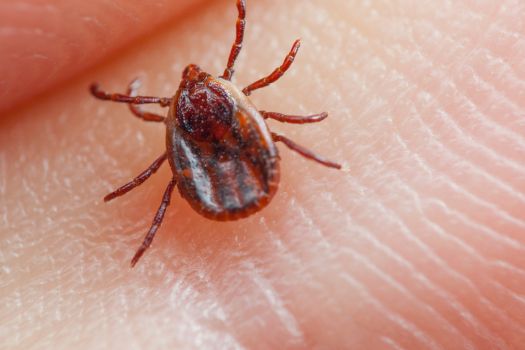
Ticks are tiny parasites that feed on the blood of animals and humans. Though small, they can transmit harmful diseases that impact health and well being. In Georgia, warm temperatures and wooded landscapes make tick activity common throughout much of the year. Understanding how ticks spread disease helps homeowners protect their families and pets from these dangerous pests. TruNorth Pest Control uses targeted prevention and treatment strategies to reduce tick populations and stop the spread of tick borne illnesses around your home and yard.
How Ticks Find and Attach to Hosts
Ticks detect body heat, carbon dioxide, and movement to locate nearby hosts. They typically wait on tall grass, shrubs, or leaf litter until a person or animal brushes past. Once in contact, the tick attaches itself using barbed mouthparts that allow it to feed securely. The longer a tick stays attached, the higher the risk of transmitting pathogens. Early detection and removal are key to lowering infection risk. TruNorth Pest Control recommends regular inspections after spending time outdoors, especially during spring and summer when ticks are most active in Georgia.
The Role of Tick Saliva in Disease Transmission
Tick saliva plays a major part in how diseases are transmitted. When a tick bites, it injects saliva that prevents blood clotting and numbs the skin, making the bite difficult to notice. If the tick carries bacteria, parasites, or viruses, these pathogens can pass into the bloodstream during feeding. Common illnesses such as Lyme disease and Rocky Mountain spotted fever begin this way. The longer a tick feeds, the greater the chance of transmission. TruNorth Pest Control’s prevention services reduce tick numbers before they can attach or feed, helping protect against infection.
Common Tick Borne Diseases in Georgia
Several types of ticks in Georgia can carry harmful diseases. The blacklegged tick is known for spreading Lyme disease, while the lone star tick can transmit ehrlichiosis and tularemia. The American dog tick is often linked to Rocky Mountain spotted fever, which can cause fever, rash, and muscle pain. Even pets are at risk, as ticks can carry infections that affect dogs and cats. TruNorth Pest Control focuses on identifying local tick species and applying treatments specific to the risks they pose, offering full protection for both people and pets.
How Ticks Become Infected
Ticks do not hatch carrying diseases. They become infected when feeding on infected hosts such as mice, deer, birds, or raccoons. Once infected, they can carry and spread the pathogens throughout their life stages. Because ticks feed multiple times as they grow, they have repeated chances to transmit disease to new hosts. Managing wildlife activity and maintaining clean, trimmed landscapes can help break this cycle. TruNorth Pest Control works with homeowners to develop yard management plans that discourage both ticks and the animals that spread them.
Where Ticks Hide Around Homes
Ticks prefer shaded and humid areas where they can stay hidden from sunlight. They are often found in tall grass, leaf piles, woodpiles, and near fences or property edges where pets and wildlife travel. These areas provide the perfect environment for ticks to thrive. Keeping grass trimmed, clearing debris, and reducing moisture levels can greatly decrease their presence. TruNorth Pest Control technicians inspect outdoor areas carefully to find tick habitats and apply safe, effective treatments that remove them while preventing future infestations.
Reducing Tick Exposure Around Your Property
Prevention is the best defense against tick borne diseases. Wearing light colored clothing, tucking pants into socks, and using repellents can reduce exposure during outdoor activities. After coming inside, inspect clothing, pets, and gear for ticks before they enter your home. Regular lawn maintenance and professional pest control treatments make a long term difference in keeping your yard safe. TruNorth Pest Control offers year round prevention services that target high risk areas and provide ongoing protection for families in Georgia’s tick prone regions.
Professional Tick Control and Family Safety
Ticks are resilient pests that require consistent, thorough management to control effectively. Home treatments may not reach the areas where ticks hide or breed. Professional pest control provides deeper coverage with targeted products designed to eliminate ticks at every stage of life. TruNorth Pest Control’s team applies family and pet safe treatments that protect lawns, gardens, and outdoor spaces. With regular service, you can enjoy peace of mind knowing that your home is protected from both ticks and the diseases they spread.