
How Gaps Around Windows Let in Cold Weather Pests
Understanding Why Window Gaps Become Winter Pest Entry Points
Cold weather drives pests to seek warmth, shelter, and steady food sources. Your home offers all three, especially during the winter months when outdoor temperatures drop quickly. One of the most common and overlooked entry points is the area around windows. Even the smallest opening can become a pathway for insects and rodents looking for protection from the cold. These gaps are easy for pests to locate, especially as warm air escapes and creates an inviting temperature contrast.
How Temperature Differences Attract Winter Pests
Warm air leaking through gaps acts like a beacon for pests searching for shelter. Many pests, including ants, spiders, beetles, and even small rodents, instinctively follow warm air currents when outdoor temperatures drop. This temperature change guides them directly to windows that are not properly sealed. Once they find a weak point in the structure, pests can slip inside and settle into areas near heating sources, stored food, or hidden corners.
Why Window Frames Expand and Contract in Winter
Both wooden and vinyl window frames expand and contract throughout the year as temperatures change. In winter, cold air causes the materials to contract, which can widen gaps around the frame. These openings may be too small for you to notice, but pests have no trouble finding narrow spaces. Over time, seasonal shifts cause gaps to grow larger, making homes even more vulnerable to winter invasions unless repairs are made.
How Moisture Around Windows Encourages Pest Activity
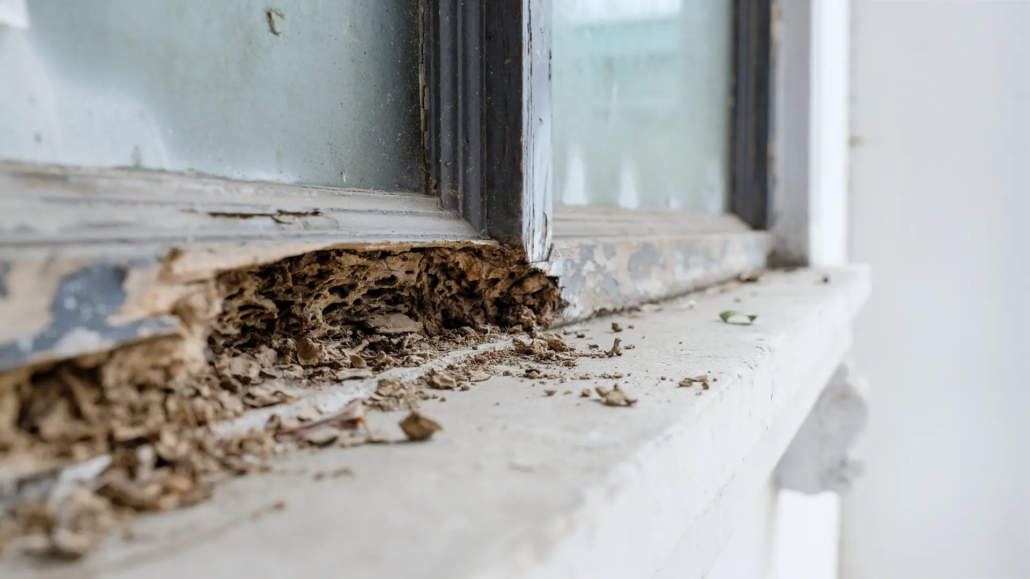
Moisture buildup around windows makes the area more inviting to several winter pests. Leaks, condensation, and trapped humidity create conditions that attract silverfish, spiders, ants, and even roaches. Moisture also softens wood frames, making it easier for pests to chew or squeeze through. Keeping windows dry and addressing condensation quickly helps discourage pest activity and reduces the risk of hidden infestations.
Why Older Windows Are a Higher Risk During Cold Weather
Older windows often have loose frames, worn out caulking, cracked seals, or damaged screens. As the house settles over time, these windows shift and create openings around the edges. Without proper maintenance, these gaps become major entry points for pests trying to escape the cold. Replacing aging windows or restoring damaged seals is one of the most effective ways to close these entry points and keep pests out during winter.
How Rodents Use Window Gaps to Enter Homes
While it may seem surprising, rodents can fit through extremely small openings. Mice can squeeze through gaps as small as a pencil width. Window frames with loose panels, deteriorating wood, or missing weather stripping become easy access routes for rodents searching for warmth. Once inside, rodents often move into walls, attics, or utility areas and begin nesting. Properly sealing window gaps is essential to block these hidden rodent pathways.
How Insects Slip Through Even the Smallest Openings
Insects such as ants, spiders, centipedes, and beetles can enter through openings that are almost invisible to homeowners. Cracks between the frame and siding, torn screens, and gaps under the window sill provide easy entry. Many winter pests can flatten their bodies to slide through tiny spaces. Once they gain access, they begin seeking out moisture, warmth, and food sources inside your home.
Why Proper Sealing Prevents Winter Pest Problems
Sealing window gaps is one of the simplest and most effective ways to prevent winter pests from entering your home. Weather stripping closes space between the moving parts of the window, while exterior caulking seals cracks around the frame. Foam insulation can be added to larger gaps for long lasting protection. These measures not only prevent pest entry but also improve energy efficiency by keeping cold air out and warm air inside.
How Regular Inspections Help Catch Problems Early
A quick inspection around windows each season helps identify issues before pests take advantage of them. Look for torn screens, missing caulking, loose frames, peeling paint, or visible gaps. Pay attention to drafty spots or areas where you feel cold air seeping in. These signs often indicate that pests have an easy entry point. Early detection allows you to fix the problem before winter pests make their way inside.
Why Professional Pest Control Helps Protect Your Home
Even well sealed windows can be vulnerable if pests have already found additional entry points. A professional inspection identifies all areas where pests may enter, including window gaps, foundation cracks, siding openings, and roofline weaknesses. TruNorth Pest Control can seal entry points, remove active infestations, and apply targeted winter treatments that stop pests before they spread. Combining home maintenance with professional prevention gives your home the highest level of protection.
Keeping Pests Out All Winter Long
Window gaps may seem harmless, but they play a major role in allowing cold weather pests to enter your home. By understanding how pests locate these openings and why they seek out warm indoor environments, you can take action to block their entry. Sealing gaps, improving window insulation, controlling moisture, and scheduling professional inspections help keep your home pest free throughout the winter season and beyond.