
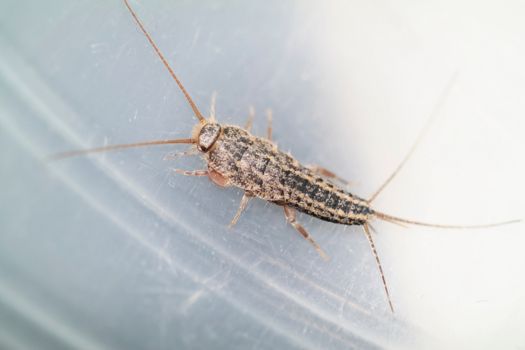
How Silverfish Damage Paper Goods and Stored Items Over Time
Silverfish are often considered minor pests because they are small and quiet, but their presence can cause significant long term damage. Unlike pests that rely on food scraps or waste, silverfish feed on materials commonly found in stored belongings. Their ability to survive unnoticed allows damage to accumulate slowly, making infestations difficult to detect until valuable items are already affected.
Feeding Habits Target Paper Based Materials
Silverfish feed on substances that contain starches and sugars, which makes paper products especially vulnerable. Books, documents, cardboard boxes, wallpaper, and stored packaging materials all provide suitable food sources. Even adhesives used in book bindings, labels, and envelopes can attract silverfish activity.
Because they graze rather than consume items quickly, damage appears as irregular holes, surface etching, or yellowed areas. This gradual feeding often goes unnoticed, especially in storage areas that are not accessed regularly.
Stored Items Provide Ideal Shelter and Protection
Silverfish prefer dark, undisturbed environments where they can remain hidden. Storage closets, basements, attics, and boxes stacked for long periods provide ideal shelter. Paper goods stored tightly together create protected spaces that limit airflow and light, allowing silverfish to remain active without disturbance.
Once established, silverfish move easily between stored items, spreading damage across multiple areas. Because they avoid open spaces, infestations can persist even in otherwise clean environments.
Moisture Supports Long Term Survival
Silverfish require humidity to survive, which is why they are often found in areas with limited ventilation. Basements, bathrooms, laundry rooms, and storage spaces near plumbing lines commonly support silverfish activity. Even moderate humidity levels can sustain populations over time.
This moisture dependence allows silverfish to remain active even when food sources are limited. As long as humidity remains consistent, infestations can continue quietly.
Why Damage Often Goes Unnoticed
Silverfish are nocturnal and avoid human activity. Their small size and quick movement make them difficult to spot during the day. Because damage occurs gradually, items may appear intact at first glance while internal or surface deterioration continues.
By the time silverfish are discovered, damage to books, records, clothing, and stored materials may already be extensive. This delayed detection makes infestations harder to control and increases the risk of permanent loss.
Why DIY Control Is Often Ineffective
Silverfish infestations are difficult to eliminate without addressing both food sources and hiding areas. Surface sprays may kill visible insects but do not reach nesting areas inside stored materials or wall voids. Without comprehensive treatment, surviving silverfish continue feeding and reproducing.
Effective control requires targeted treatment combined with environmental adjustments that limit moisture and access to vulnerable materials.
Professional Treatment Protects Stored Belongings
Professional pest control focuses on identifying harborage areas, reducing population activity, and preventing re-infestation. Treatments are applied strategically to reach hidden spaces where silverfish remain active.
By addressing the infestation thoroughly, professional control protects stored belongings and prevents long term damage from continuing unnoticed.
Early Action Preserves Valuable Items
Silverfish damage accumulates slowly but steadily. Early detection and professional intervention prevent irreversible harm to important documents, books, and stored materials.
Understanding how silverfish damage paper goods over time highlights the importance of addressing infestations before valuable items are affected beyond repair.