
How to Prevent Mice From Entering Crawl Spaces
Why Crawl Spaces Attract Mice in Cold Weather
As temperatures drop in late fall and early winter, mice begin searching for warm and protected environments. Crawl spaces provide everything they need. They are dark, insulated, quiet, and full of potential nesting materials. When outdoor food sources become limited, mice move closer to homes. Crawl spaces become prime entry targets because they offer quick access to the interior walls, insulation, and warmth from heating systems.
How Small Entry Gaps Allow Mice Inside
Mice can squeeze through openings as small as a quarter of an inch. Crawl spaces often contain multiple small gaps along foundation lines, vents, pipe entry points, and siding joints. During cold months, mice follow the warm air escaping through these tiny cracks. Even a slightly loose vent screen or a minor hole created by settling soil can invite a colony of mice. Inspecting the exterior of your home before winter helps identify and block these pathways.
The Role of Moisture in Winter Mouse Activity
Crawl spaces often collect moisture from rain, soil contact, and poor ventilation. Damp environments attract insects and provide drinking water for mice. Winter moisture increases as temperatures fluctuate, leading to condensation and damp wood. Mice prefer moist crawl spaces because they support nesting activity and food availability. Reducing moisture makes crawl spaces less attractive and helps prevent infestations.
Sealing Foundation Gaps and Entry Points
One of the most effective ways to stop mice from entering crawl spaces is sealing entry points. Caulking cracks, installing metal mesh around pipe penetrations, and repairing damaged siding are essential steps. Foundation vents should be covered with heavy duty screens that rodents cannot chew through. When sealing these areas, focus on even the smallest gaps because mice do not need much space to enter.
Improving Crawl Space Ventilation
Proper ventilation helps reduce the humidity and stagnant air inside a crawl space. When crawl spaces remain damp and warm, they attract both insects and rodents. Installing additional vents, ensuring current vents are unobstructed, and improving airflow reduces the conditions that mice seek out. Even small increases in ventilation can disrupt nesting behavior.
Using Encapsulation to Protect the Crawl Space
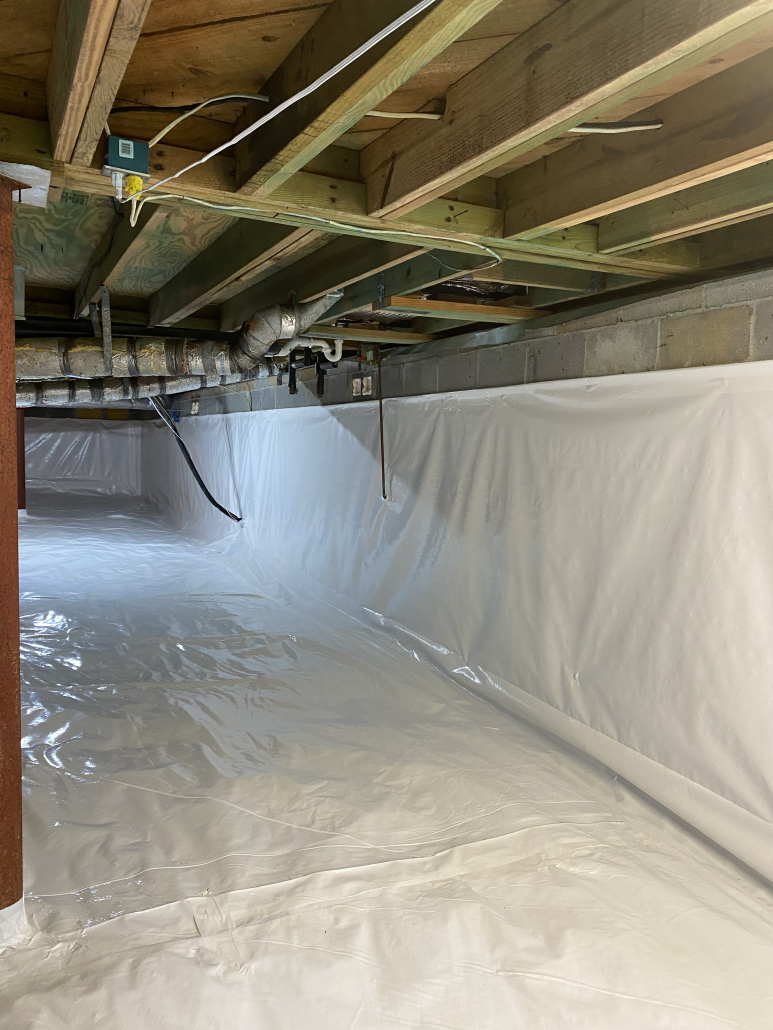
Encapsulation involves sealing the entire crawl space with moisture barriers and insulation. This creates a clean, dry environment that is far less appealing to mice. Encapsulation also eliminates soil exposure and covers areas where rodents typically enter. During winter, encapsulated crawl spaces maintain stable temperatures and prevent rodents from finding warm hiding places. This long term solution helps protect the structure and reduce pest activity.
Reducing Outdoor Attractants Near the Home
Mice often approach crawl spaces after exploring the outside area. Stacked firewood, leaf piles, outdoor clutter, and overgrown vegetation all provide hiding places for rodents. During winter, mice often nest close to the home before searching for entry points. Keeping the yard clear and tidy reduces the likelihood of mice traveling toward the crawl space. Trimming shrubs, removing debris, and storing firewood away from the foundation helps create a rodent resistant perimeter.
Securing Crawl Space Doors and Access Panels
Many crawl space doors loosen over time due to moisture, soil shifting, or general wear. Mice quickly exploit these weak areas. Reinforcing crawl space doors with proper seals, latches, and thick materials keeps rodents from squeezing through gaps. Foam seals, weatherproof boards, and sturdy hinges help ensure the door stays secure even during harsh winter conditions.
Using Bait Stations and Rodent Barriers
Placing tamper resistant bait stations around the perimeter of the home helps intercept mice before they reach the crawl space. These stations target rodent populations outdoors, reducing pressure on the home. Physical barriers such as galvanized mesh screens can also prevent mice from entering key areas. Professional pest control services can set up a customized barrier plan to protect crawl spaces from seasonal rodent movement.
Scheduling Professional Rodent Prevention for Winter
Winter is the peak season for rodent intrusions. Professional technicians can inspect crawl spaces, identify vulnerabilities, and apply treatments to discourage mice from entering. Trapping, sealing, moisture control, and perimeter defense strategies all work together to keep rodents out. With a professional plan in place, homes remain protected throughout the coldest months.
Keeping Crawl Spaces Mouse Free All Season
Preventing mice from entering crawl spaces involves sealing gaps, reducing moisture, improving ventilation, and maintaining a clean perimeter. With the right preventative steps and professional assistance, homeowners can ensure their crawl spaces stay protected and rodent free throughout the winter season.