
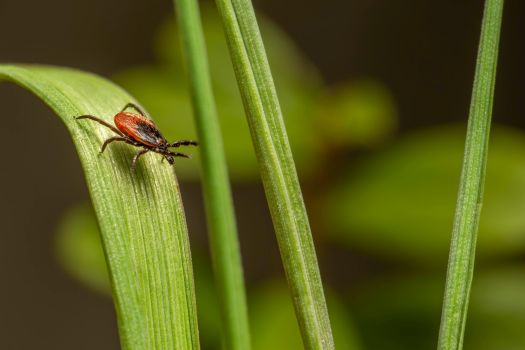
How to Prevent Pests From Breeding in Indoor Plants
Why Indoor Plants Attract Pests
Indoor plants bring color and freshness into a home, but they can also attract unwanted pests if conditions are right. Warm soil, moisture, and organic material create a perfect breeding environment for fungus gnats, spider mites, aphids, and even tiny soil dwelling insects. Once pests take hold, they can spread quickly to other plants or even into the living areas of your home. Understanding why pests are drawn to indoor plants helps you prevent infestations before they have a chance to grow.
How Moisture Levels Affect Pest Activity
Most indoor plant pests thrive in high moisture environments. Soil that stays wet for too long attracts fungus gnats, one of the most common indoor plant pests. Their larvae feed on decaying organic matter and plant roots, causing plants to weaken. Overwatering also encourages mold and fungus growth, which becomes a food source for insects. Allowing soil to dry slightly between watering reduces breeding conditions and keeps pests from settling in.
The Importance of Proper Drainage
Plants that sit in containers without proper drainage are at a much higher risk of attracting pests. When water collects at the bottom of a pot, the soil becomes stagnant and creates an ideal environment for larvae and mites. Using pots with drainage holes and adding gravel or stones at the bottom ensures that water can move freely through the soil. Good drainage not only prevents pests but also promotes healthier plant growth overall.
Using Clean and Sterile Soil
One of the fastest ways pests enter a home is through contaminated soil. Some store bought soils may contain insect eggs that hatch after the soil is watered. Always use fresh, sterile potting mix rather than soil taken from outside. If you reuse soil from an old plant, bake it in a low temperature oven for a short time to kill any remaining insects. Taking this precaution reduces the chance of an unexpected infestation.
Inspecting Plants Before Bringing Them Indoors
New plants can introduce pests to your existing plant collection even if they look healthy on the surface. Before bringing a plant into your home, carefully inspect the leaves, stems, and soil. Look for tiny moving insects, sticky residue, webs, or yellowing spots. If you notice anything suspicious, treat the plant or keep it isolated for a week until you are sure it is pest free. This simple step can prevent widespread plant problems later.
How to Keep Soil Surfaces Clean
Debris that collects on top of the soil creates a perfect shelter for insects. Fallen leaves, plant trimmings, and decaying organic matter attract pests and give them a place to hide. Removing debris regularly and gently loosening the top layer of soil improves airflow and reduces the chance of larvae settling in. You can also use a thin layer of sand on top of the soil to discourage insects from laying eggs.
Natural Ways to Keep Pests Away
There are several natural ways to keep indoor plant pests under control. Neem oil, diluted with water, can be sprayed on leaves and soil to disrupt insect life cycles. A gentle soap and water solution helps remove pests from leaf surfaces. Sticky traps placed near the plant capture adult flying insects before they can lay eggs. These simple methods provide ongoing protection without harming the plant or indoor air quality.
Creating a Healthy Indoor Plant Environment
Healthy plants are naturally more resistant to pests. Proper lighting, the right amount of water, and good airflow help plants grow stronger. Place plants in areas where they receive enough natural light and avoid crowding them together where pests can easily travel between them. Giving each plant space and maintaining a balanced environment helps keep pests from viewing your home as an easy breeding ground.