
Why Roswell GA Yards See More Pests After Spring Storms
Spring thunderstorms roll across Fulton County almost every week from March through June. For residents in Roswell who spend time managing a yard, garden, or outdoor living space, those storms do more than soak the grass. They reset pest pressure across the entire property. Rain saturates the soil, moves fire ant mounds, flushes mosquito larvae into new breeding zones, and drives subterranean termites toward structures in search of higher ground. If your yard backs up to the Chattahoochee River corridor, the Vickery Creek greenway, or any low-lying drainage area near Holcomb Bridge Road or Riverside Road, understanding what storms do to local pest populations makes a real difference in how well you protect your property.
Roswell GA pest control challenges in spring and summer are shaped by the city’s geography. Fulton County receives an average of 50 inches of rainfall per year, much of it concentrated in storm events between March and July. The combination of dense tree canopy, the Chattahoochee River floodplain, and the warm, humid air that settles into neighborhoods like Canton Street, the Historic District, and the Hembree Road corridor creates ideal conditions for mosquitoes, fire ants, and subterranean termites to thrive well into fall.
How Rain Changes Pest Behavior in Roswell Yards
When a storm drops half an inch or more of rain, the immediate effects on your yard go beyond wet grass. Soil moisture rises sharply, which is a direct trigger for subterranean termite foraging activity. Termite colonies that have been working underground respond to saturated soil by moving laterally and upward, which can bring them into contact with wood framing, mulch beds, and deck posts near the foundation. The relationship between heavy rain and subterranean pest behavior is well-documented for Georgia’s climate, and Roswell’s spring storm calendar makes this a recurring concern from April through late June.
Fire ants respond to flooding with coordinated survival behavior that catches many yard-focused residents off guard. When water rises in the soil, the colony forms a living raft and floats to a new location as floodwater spreads. Fire ants that were previously contained in one corner of the yard can emerge in a completely different spot after a storm. Properties near the Azalea Drive drainage corridor, yards backing up to wooded buffers along Grimes Bridge Road, and homes with low-lying lawn sections near Oxbo Road commonly report post-storm fire ant emergence in flowerbeds, along garden paths, and around outdoor furniture. UGA Extension’s Fulton County office has documented this displacement behavior in Georgia fire ant populations. The ant control services TruNorth provides account for this post-storm mobility by targeting the full yard perimeter, not just visible mound locations.
Mosquitoes and the Roswell Floodplain Effect
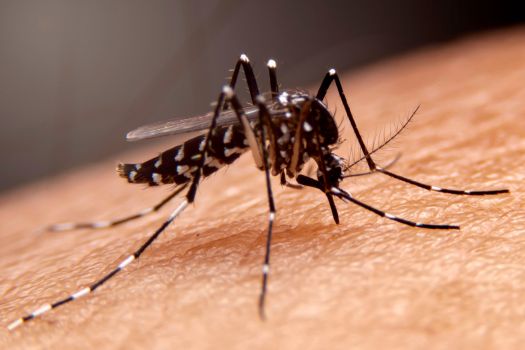
Mosquito populations in Roswell GA surge within 7 to 14 days after significant rainfall. The Chattahoochee River and its tributary streams, including Vickery Creek and its trail-adjacent water features near the Old Mill District, create natural standing water zones that persist long after a storm passes. Shallow depressions in lawns, clogged gutters, birdbaths, overturned planters, and corrugated drainage pipes all become breeding sites that produce new mosquito generations faster than most people expect. A single container holding a few inches of stagnant water can yield hundreds of larvae within a week.
Yards with ornamental ponds, raised garden beds, or dense plant material near GA-400 access roads and the Holcomb Bridge Road corridor tend to see the most sustained mosquito pressure through late summer. Reviewing mosquito prevention strategies for your backyard is a useful starting point, but professional treatment of your full outdoor perimeter is what breaks the breeding cycle rather than just reducing it temporarily. TruNorth’s approach to mosquito control includes both barrier spray applications and a review of harborage and breeding conditions on your specific property.
Termites and Moisture in Roswell Soil
Roswell’s older neighborhoods, particularly those with homes built in the 1970s and 1980s near Canton Street, Mimosa Boulevard, and the Historic District, often have crawl spaces and wood substructure that is already susceptible to moisture intrusion. When spring storms push soil saturation levels high, subterranean termite colonies actively search for new food sources. Mulch allowed to pile up against foundation siding, wood debris left in garden beds, and untreated landscape timbers are all entry points for termite foragers moving through wet ground.
After major storms, an inspection is warranted any time you notice mud tubes on foundation walls or wooden fence posts, swarmers (winged termites) emerging near soil or wood, or soft spots in decking and door frames. The termite control program at TruNorth uses soil treatments and monitoring stations calibrated for Georgia’s subterranean termite species. Termite damage compounds quickly when soil conditions remain wet for weeks, so early detection after storm events is the most cost-effective defense available to Roswell residents.
Rodents and Post-Storm Displacement
Flooding and saturated soil push rodents and small wildlife toward structures when their underground burrows flood. Rats and mice that normally forage in wooded buffers along the Chattahoochee Recreation Area or Azalea Park move toward homes when their pathways become waterlogged. Deck skirting, gaps at garage doors, and unsealed crawl space vents become entry points for animals actively searching for dry shelter. This behavior peaks in May and June in Roswell, when spring storm frequency aligns with the season’s warmer nighttime temperatures.
If you notice gnawing at stored garden equipment, droppings near irrigation valve boxes, or scratching sounds in walls or crawl spaces after a heavy rain event, get a professional inspection as soon as possible. Rodent populations reproduce quickly, and a pair that enters during a storm in late April can establish a serious infestation before summer. Pest control Roswell Georgia residents need most after storm season goes beyond a single treatment and typically involves exclusion work at all exterior entry points combined with a recurring monitoring schedule.
Yard and Perimeter Steps After a Storm
After any storm that drops more than a quarter inch of rain, a quick yard walkthrough should become part of your routine. Look for standing water that has not drained within 24 hours. Check window wells, downspout splash blocks, and low areas around your A/C condensate lines. Rake back mulch that has shifted toward the foundation. Turn over any containers, wheelbarrows, or decorative pots that collected water. These steps alone can eliminate several potential mosquito breeding sites before larvae have time to develop into adults.
Trimming shrubs and ground cover away from the home’s perimeter matters even more after storms, since dense vegetation holds moisture and provides harborage for ants, spiders, and roaches moving through wet soil. Keeping a cleared zone of at least 18 inches between plant material and foundation walls makes a measurable difference in how quickly pest pressure builds after heavy rain. Additional information on how seasonal landscaping choices affect pest movement around your home can help you design a yard that works against pest pressure rather than drawing it in.
Understanding why seasonal storms create pest surges in Georgia is part of what TruNorth Pest Control covers during every property assessment. Our technicians are trained through the University of Georgia cooperative extension program and understand how Fulton County’s rainfall patterns, soil types, and native pest species interact from season to season. For full pest control services in Roswell Georgia, we offer professional perimeter treatment that addresses both the yard and the structure together, including complimentary inspections and Saturday service availability.
To schedule service or set up a recurring treatment plan for your Roswell yard, visit the Roswell pest control service page or contact TruNorth directly. Our team can typically accommodate a same-week inspection following significant storm events.
Frequently Asked Questions
How long after a storm should I wait before treating my yard for mosquitoes?
You do not need to wait after a storm. Professional mosquito treatments can be applied once rain has stopped and foliage is no longer actively dripping. Treating within two or three days of a storm is ideal because larvae are still in early development stages and most vulnerable to barrier treatment. Waiting longer allows new generations to reach adulthood before treatment can intercept them.
Why do fire ants move locations after heavy rain in Roswell GA?
Fire ant colonies build nests in soil that becomes saturated during heavy rain, so the colony clusters around the queen and floats to a new location as water rises. This survival behavior means a mound you treated or monitored in one part of your yard may reappear somewhere completely different after a storm. Post-storm inspection of the full yard, not just previously known mound locations, is the only way to stay ahead of this movement.
Can spring storms actually bring termites into my home faster?
Yes. Subterranean termites forage through moist soil, and saturated ground after spring storms significantly expands their active range. Termite swarmers, which are reproductive termites that emerge to start new colonies, are particularly common in Roswell in April and May, often appearing right after rain events. Seeing swarmers inside or outside your home after a storm is a warning sign that a colony is active on or very near your property.
What should I look for in my yard after every major storm?
Start by checking for standing water that remains more than 24 hours after rain stops. Look for new fire ant mounds, mud tubes on foundation walls or wooden fence posts, and any new gaps or damage at doors, vents, or where utility lines enter the structure. Also check gutters, downspouts, and any low-lying lawn sections. These are the spots where pest pressure is most likely to intensify in the days following a storm.
Does TruNorth Pest Control offer storm follow-up treatments in Roswell?
Yes. TruNorth Pest Control serves Roswell and the surrounding Fulton County area with flexible scheduling, including Saturday appointments and after-hours availability. If a recent storm has brought new pest activity to your yard or structure, a follow-up inspection and targeted treatment can typically be scheduled within the same week. Call (678) 325-7770 or reach out through the contact page to set up service.
TruNorth Pest Control provides professional pest control services in Roswell GA and throughout Fulton County, with a focus on eco-friendly, family-safe treatments built around Integrated Pest Management. Founded on over 34 years of industry experience by Tony Carder, TruNorth serves residential and commercial clients with complimentary inspections and flexible scheduling, including Saturday service. To schedule a treatment or get a free assessment of your property, visit the contact page or call (678) 325-7770.