
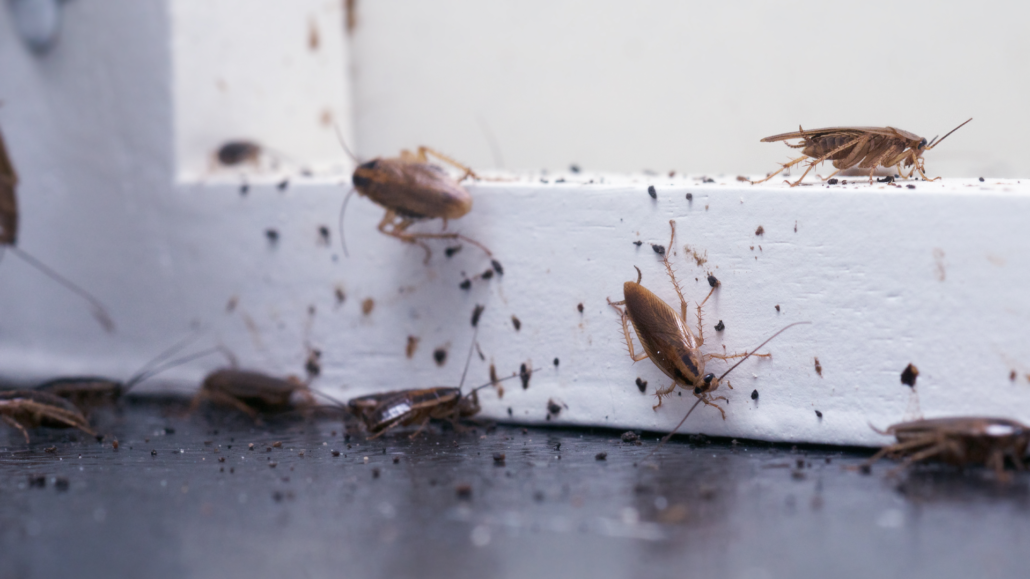
The Link Between Moisture and Pest Infestations
Many homeowners are surprised to learn that one of the biggest reasons pests invade homes is not food but moisture. Water is essential for all living things, and pests are no exception. Whether it is a dripping pipe, a damp crawl space, or a leaky roof, excess moisture creates the perfect environment for insects and rodents to thrive. Understanding how moisture attracts pests and what you can do to control it is key to maintaining a healthy, pest-free home.
Why Moisture Attracts Pests
Moisture provides pests with two critical resources: water and shelter. Many insects, such as cockroaches, ants, termites, and silverfish, require humidity to survive. Damp environments also make it easier for pests to find hiding spots and breed. Rodents like rats and mice are also drawn to areas where moisture is present because it often signals an easy water source nearby. Once pests find a steady supply of water, they are far more likely to stay and multiply, turning a small problem into a major infestation.
Common Areas Where Moisture Builds Up
Excess moisture can accumulate in many parts of the home, often unnoticed until pests start appearing. Bathrooms, kitchens, basements, and laundry rooms are common problem areas due to plumbing and humidity. Crawl spaces and attics may also trap moisture when ventilation is poor or insulation is damaged. Outdoors, clogged gutters, standing water in flower pots, and leaky hoses create breeding grounds for mosquitoes and ants. Regular inspections of these areas can help you identify problems before they attract pests.
How Leaks and Plumbing Issues Contribute to Infestations
A slow leak under a sink or behind a wall may seem minor, but it can quickly lead to pest activity. Termites, for instance, are drawn to damp wood because it is easier to chew and tunnel through. Cockroaches and ants often travel along plumbing lines to access water sources. Even a small drip from a pipe can support an entire colony. Fixing leaks promptly and keeping pipes dry is one of the most effective ways to reduce pest attraction.
The Connection Between Humidity and Pest Breeding
Humidity levels inside your home play a huge role in pest survival. Insects like silverfish, earwigs, and centipedes thrive in humid conditions, especially in basements and bathrooms. High humidity also increases the chances of mold growth, which provides food for certain types of pests. Keeping indoor humidity below fifty percent using dehumidifiers or improved ventilation can make your home less appealing to unwanted guests.
How Moisture Impacts Wood and Structural Materials
Damp wood is one of the most attractive materials for pests. Termites, carpenter ants, and wood-boring beetles are all drawn to moisture-softened wood where they can easily build colonies. Over time, this not only causes pest infestations but also weakens your home’s structure. If you notice warping, discoloration, or soft spots in wooden areas like door frames or window sills, it could be a sign of both water damage and hidden pests. Regularly sealing and maintaining wood surfaces helps prevent this problem.
The Role of Outdoor Drainage in Pest Control
Poor drainage outside your home can create perfect breeding grounds for pests. Standing water in gutters, puddles near foundations, or overwatered lawns attract mosquitoes and ants. When water does not flow away properly, it also seeps into soil and walls, increasing indoor humidity. To reduce these risks, make sure gutters are clear, downspouts direct water away from the home, and the ground slopes away from your foundation. Even small drainage improvements can have a big impact on pest prevention.
Crawl Spaces and Basements: Hidden Moisture Havens
Crawl spaces and basements are often overlooked but are some of the most common places for hidden moisture problems. Because they are below ground level, these areas trap humidity and condensation easily. Pests like roaches, spiders, and rodents use them for shelter and nesting. Installing a vapor barrier, sealing cracks, and ensuring proper ventilation can keep these areas dry. TruNorth Pest Control often finds that moisture control in basements and crawl spaces drastically reduces overall pest activity in the home.
How Professional Pest Control Addresses Moisture Problems
A professional pest control company does more than just treat pests—they help you identify and correct the conditions that attract them. During an inspection, TruNorth Pest Control specialists look for water leaks, condensation, poor ventilation, and drainage issues. By addressing these underlying causes, we help prevent future infestations rather than just reacting to existing ones. Our moisture-aware pest management approach combines eco-friendly treatments with practical home maintenance recommendations, ensuring long-term protection.
Preventive Steps Homeowners Can Take
Keeping your home dry and well-maintained is the best defense against moisture-related pests. Check pipes, faucets, and water heaters regularly for leaks. Use a dehumidifier in basements or bathrooms where humidity is higher. Clean gutters and downspouts to avoid standing water, and inspect your roof for leaks after heavy rain. Store firewood and mulch away from the foundation, as they can retain moisture and attract insects. Simple actions like running exhaust fans during showers or sealing cracks in walls can make a big difference in keeping pests out.
A Long-Term Solution for a Healthier Home
Moisture control is one of the most effective ways to prevent pest infestations before they start. By eliminating water sources and maintaining proper ventilation, you create an environment that is inhospitable to insects and rodents. At TruNorth Pest Control, we specialize in identifying hidden moisture issues and designing customized treatment plans that target the root cause of infestations. Our goal is to help you maintain a cleaner, drier, and pest-free home year-round.
If you have noticed increased pest activity or moisture buildup in your home, contact TruNorth Pest Control today. Our expert technicians will inspect your property, identify the source of the problem, and provide safe, effective solutions that protect both your home and your family.