
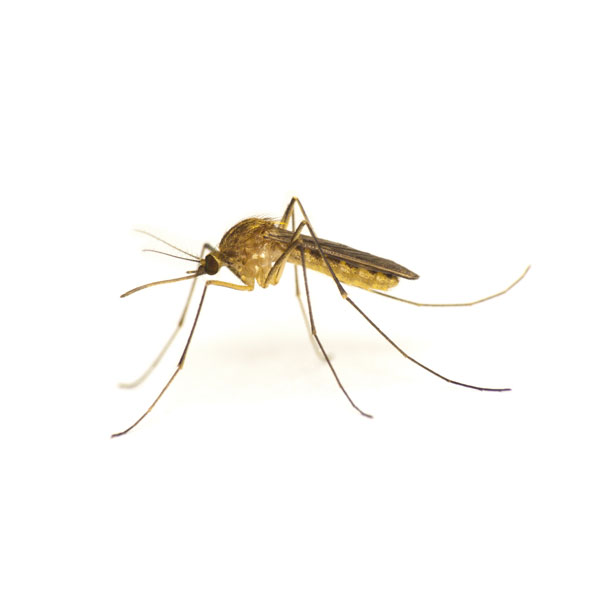
What Diseases Mosquitoes Carry in Georgia and How to Protect Your Family
What Diseases Mosquitoes Carry in Georgia and How to Protect Your Family
Most people think about mosquitoes as a nuisance. The itch, the swat, the buzzing around a backyard fire. But mosquitoes in Georgia are more than an annoyance. They are active disease carriers in this state, and the diseases they transmit range from mild to genuinely life-threatening. For families across Metro Atlanta, Middle Georgia, and surrounding communities, understanding what mosquitoes actually carry and how to reduce your family’s exposure is information worth having before mosquito season gets underway.
What the Georgia Department of Public Health Says
Several mosquito-borne viruses circulate in Georgia each year and are capable of causing disease in humans and other animals, with the most common non-travel-associated mosquito-borne virus reported in Georgia being West Nile virus, alongside Eastern Equine Encephalitis, La Crosse Encephalitis, and St. Louis Encephalitis as the primary locally transmitted threats. Georgia Department of Public Health
These are not theoretical risks imported from other countries. They are diseases transmitted by mosquito species that are present and active in Georgia every year. The full picture of what mosquitoes carry in this state is documented by the Georgia Department of Public Health at dph.georgia.gov/mosquito-borne-diseases, and it is more extensive than most Georgia homeowners realize.
West Nile Virus
West Nile virus is by far the most commonly reported mosquito-borne illness in Georgia. It is transmitted primarily by Culex mosquitoes, which are most active from dusk through early morning.
Most people infected with West Nile virus experience no symptoms at all, but about 20 percent of individuals may develop mild symptoms including fever, headache, and body aches, while in severe cases, particularly in older adults or individuals with weakened immune systems, West Nile virus can lead to serious neurological complications including encephalitis, meningitis, muscle weakness, and paralysis.
There is no specific treatment for West Nile virus. Severe cases require hospitalization, and some patients experience lasting neurological effects. Older adults and anyone with a compromised immune system face substantially higher risk of serious illness.
Eastern Equine Encephalitis
Eastern Equine Encephalitis, commonly called EEE, is rare but among the most severe mosquito-borne diseases in the United States. Georgia is consistently listed among the states where EEE cases are reported.
Eastern equine encephalitis has a case-fatality rate of approximately 30 percent, with more than half of survivors experiencing substantial long-term neurological effects, and cases in the United States occur primarily from May through October with the highest concentrations in states including Florida and Georgia. NCBI
In severe cases of EEE, symptoms include sudden onset of headache, high fever, chills, and vomiting, and because there is no vaccine available for humans as there is for horses, prevention through mosquito control is the only reliable strategy for protecting your family from this disease. Coastalhealthdistrict
La Crosse Encephalitis
La Crosse encephalitis is transmitted by the treehole mosquito, which is found in forested and wooded residential areas throughout Georgia.
La Crosse encephalitis is more rare than West Nile virus but should be taken seriously, as it primarily affects children, with severe symptoms including seizures, disorientation, and inflammation of the brain that can lead to long-term neurological impairments, and while fatalities are rare, complications can result in lifelong neurological damage particularly in children under 16.
Zika Virus
Zika virus is transmitted primarily through the bite of infected Aedes aegypti and Aedes albopictus mosquitoes, and both species are found in Georgia, making local transmission a possibility even though most reported Georgia Zika cases have been travel-associated. Coastalhealthdistrict
The most serious concern with Zika is its effect on pregnancy. Infection during pregnancy can cause microcephaly and other severe fetal brain defects, which makes Zika particularly dangerous because transmission often goes unnoticed since symptoms in most adults are mild and consist of fever, rash, headache, and joint pain lasting only a few days.
Heartworm in Pets
Georgia homeowners with dogs should also be aware that mosquitoes transmit heartworm larvae to pets. Dogs and sometimes other animals including cats, foxes, and raccoons can be infected through the bite of a mosquito carrying heartworm larvae, though maintaining a veterinarian-prescribed heartworm preventative medication provides effective protection against this risk.
How to Actually Protect Your Family
Understanding the diseases mosquitoes carry is important, but the practical question is what to do about it. The most effective approach combines eliminating breeding habitat on your property with professional yard treatment.
Mosquitoes do not need large bodies of water to breed. A clogged gutter, a bucket left in the yard, a low spot that holds rainwater, or a birdbath that is not refreshed regularly can sustain a breeding population. Eliminating standing water on your property removes the foundation of the local mosquito population before treatment is even applied.
Professional mosquito treatment from TruNorth works on two levels simultaneously. Yard misting reduces the active adult mosquito population in the areas your family uses most, including around shrubs, trees, and grass where mosquitoes rest during the day. Larvicide applied to any remaining water sources on or near the property kills developing mosquitoes before they become biting adults, preventing repopulation between service visits.
TruNorth offers both one-time and monthly mosquito and tick control services across Metro Atlanta and Middle Georgia using eco-friendly products that are safe for your family and pets. For families with young children, elderly family members, or anyone in a higher-risk category for mosquito-borne illness, consistent professional treatment during Georgia’s long mosquito season is the most reliable protection available. Schedule your free inspection at trunorthpest.com/free-quote or reach the team at trunorthpest.com/contact-us.