
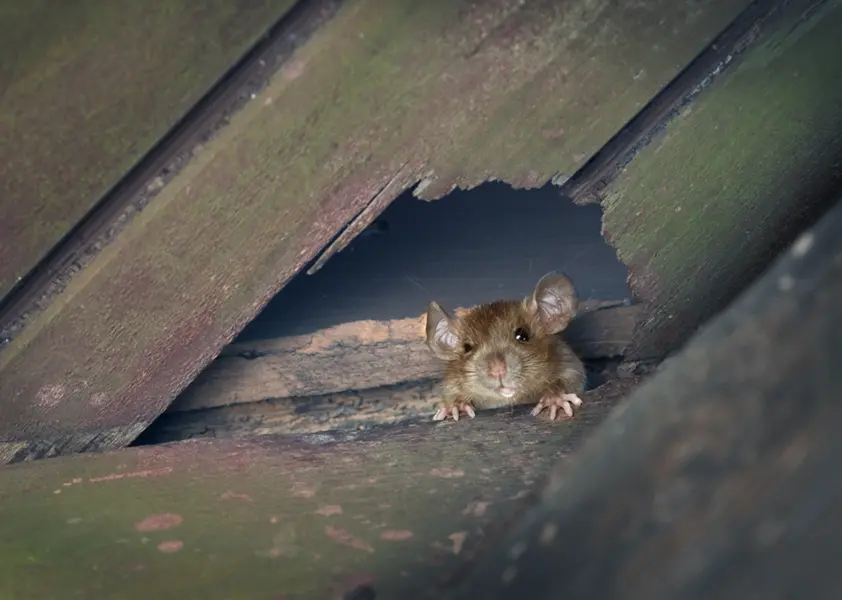
Why Rodents Prefer Insulated Attics Over Crawl Spaces
Rodents are highly selective about where they nest, travel, and reproduce. While crawl spaces are often assumed to be the primary hiding place, rodents frequently prefer insulated attics instead. Attics provide a combination of warmth, protection, and nesting material that better supports survival, especially once rodents gain access to the structure. Understanding this preference helps explain why attic infestations escalate quickly and why they can be difficult to eliminate without professional intervention.
Insulation Creates Ideal Nesting Conditions
Insulated attics offer rodents everything they need to build secure nests. Loose fill and batt insulation are easy to burrow into and provide both warmth and concealment. Rodents can shape insulation around their bodies, creating protected nesting pockets that maintain stable temperatures even when outdoor conditions fluctuate.
Unlike crawl spaces, which often experience dampness and temperature swings, attics remain relatively dry and insulated from ground moisture. This stability allows rodents to raise offspring with lower risk of exposure, which directly supports population growth.
Elevated Locations Reduce Threat Exposure
Rodents instinctively seek areas that reduce contact with predators and human activity. Attics are rarely accessed, making them quieter and less disturbed than crawl spaces. This reduced traffic allows rodents to remain active without frequent disruption.
Being elevated also limits exposure to flooding and soil saturation. Crawl spaces can become inhospitable during heavy rain or poor drainage conditions, forcing rodents to relocate. Attics remain unaffected by these ground level changes, making them a more reliable long term nesting environment.
Structural Access Points Lead Directly Into Attics
Rodents often enter homes through roof lines, soffits, vents, and small gaps near the upper structure. Once inside, attic access is immediate. These entry points allow rodents to bypass crawl spaces entirely, establishing activity in the attic without ever traveling through lower areas of the home.
Once rodents settle in attics, they use wall voids to move throughout the structure. This vertical travel allows infestations to spread downward while keeping nesting areas safely above daily activity.
Attics Support Food Storage and Movement
Rodents commonly transport food back to nesting areas. Attics provide secluded storage space where food can be cached without detection. Wiring, ductwork, and framing offer protected pathways that allow rodents to travel between food sources and nesting sites without being seen.
Crawl spaces typically lack the same level of structural pathways and concealment. The combination of insulation, framing, and utility access makes attics far more efficient for long term rodent activity.
Why Attic Infestations Escalate Quickly
Because attic infestations often go unnoticed, rodents can reproduce and spread before signs become obvious. Scratching noises, odors, and droppings may not be detected until populations are already established. Damage to insulation and wiring can continue unnoticed, increasing repair costs and health risks.
Once colonies are established, rodents may expand activity into walls and living spaces, creating a more complex infestation that requires targeted treatment.
Professional Control Is Critical for Attic Rodents
Attic infestations require more than trapping visible rodents. Effective control involves identifying entry points, addressing nesting areas, and preventing reentry. Insulation damage and contamination must also be considered to fully resolve the issue.
Professional pest control focuses on removing rodents while disrupting access and nesting conditions. This comprehensive approach prevents repeated infestations and protects the structure from ongoing damage.
Understanding Rodent Preferences Improves Prevention
Rodents choose insulated attics because they offer warmth, safety, and ideal nesting conditions. Crawl spaces simply do not provide the same level of protection or stability.
By understanding why rodents favor attics, property owners can take proactive steps to prevent infestations and respond quickly when activity is detected. Early intervention reduces damage, limits health risks, and restores control before populations grow.