
Address
TruNorth Pest Control | Bat Control in Atlanta, GA
Bats are nocturnal mammals that often roost in attics, vents, or behind shutters. While they help reduce insect populations, bats can carry diseases such as rabies and histoplasmosis. Their droppings, known as guano, can damage insulation and pose serious health risks if left untreated.
Why Bats Are a Problem in Atlanta
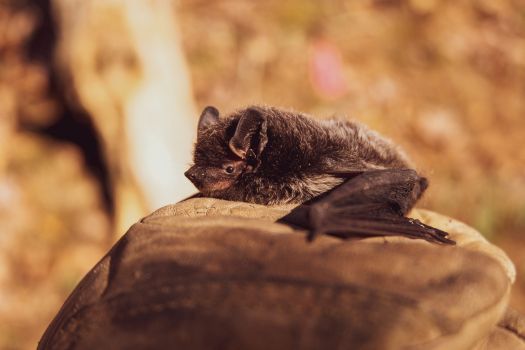
Atlanta’s warm evenings and thriving insect population make it an ideal habitat for bats. Many homes and commercial buildings provide perfect roosting spots in attics, chimneys, and rooflines. Over time, accumulated guano can corrode wood, produce foul odors, and harbor fungal spores that affect indoor air quality.
TruNorth’s Bats Treatment Process
-
Inspection – We identify all entry points, roosting areas, and signs of guano buildup.
-
Removal – One-way exclusion devices are installed to allow bats to exit safely without re-entry.
-
Cleanup – Contaminated insulation and guano are removed and the area sanitized.
-
Exclusion – Permanent sealing is applied to all potential access points to prevent future infestations.
Seasonal Activity Calendar for Bats in Atlanta, GA
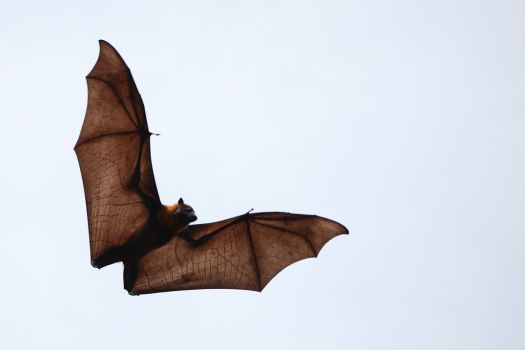
– January – Low
February – Low
March – Moderate
April – High
May – High
June – High
July – High
August – High
September – Moderate
October – Low
November – Low
December – Low
Neighborhoods We Serve in Atlanta, GA
- Buckhead
- Midtown
- Inman Park
- Old Fourth Ward
- Virginia-Highland
- West End
- Grant Park
- Kirkwood
- East Atlanta Village
- Cascade Heights
FAQ’S
Q1: Are bats dangerous?
A1: Yes, bats can carry rabies and spread histoplasmosis through their droppings, making professional cleanup essential.
Q2: Can I remove bats myself?
A2: No. Bats are protected under federal and state law, so removal must be done by licensed professionals during approved seasons.
Q3: When are bats most active?
A3: Bats are most active from late spring through early fall when insects are abundant.
Q4: Will bats return after removal?
A4: They can if entry points aren’t properly sealed. TruNorth ensures full exclusion after removal.
Q5: Do bats damage homes?
A5: Yes, their guano and nesting habits can cause insulation damage and unpleasant odors.
People Also Ask (PAA)
Are bats protected in Georgia?
Yes, bat exclusion can only be performed during specific months to protect young bats.
Can bats live in walls?
Yes, bats may move into wall cavities if attic spaces are sealed or inaccessible.
Do bats bite?
Rarely, but any physical contact with a bat should be taken seriously due to rabies risk.
What does bat guano look like?
Bat guano appears as small, dark, crumbly pellets and often accumulates below roosting areas.
Do bats eat mosquitoes?
Yes, bats are highly effective at natural insect control, consuming hundreds of mosquitoes nightly.