
What Fort Myers FL Landlords Need to Know Before Pest Season
Managing a rental property in Fort Myers, Florida puts you in charge of more than rent collection and maintenance calls. Pest pressure in Lee County is relentless year-round, and when a tenant calls to report cockroaches in the kitchen or scratching sounds in the ceiling, the clock starts ticking on your response. Fort Myers FL pest control is not a seasonal concern for landlords in this part of Southwest Florida. The subtropical climate along the Caloosahatchee River corridor keeps pest populations active every month of the year, and a single untreated unit can become the source of a building-wide infestation within weeks.
This guide is written specifically for property managers and landlords who own or operate rental units in Fort Myers and the surrounding Lee County area. Whether you manage a single-family home near McGregor Boulevard, a duplex off Colonial Boulevard, or a multi-unit complex near I-75 in the Gateway district, knowing what to inspect and when can protect your tenants, your property, and your legal standing.
Why Fort Myers Rental Properties Face Unique Pest Challenges
Fort Myers sits in a zone where warm temperatures, high humidity, and a rainy season that runs from June through September create near-perfect conditions for pest reproduction. The city receives an average of 55 to 60 inches of rainfall annually, much of it concentrated in short, intense bursts that saturate the soil around foundations and push pests upward into structures. The Six Mile Cypress Slough Preserve and the natural wetlands east of I-75 provide a constant reservoir of wildlife and insects that gradually work their way into the residential and commercial corridors along US-41 and Daniels Parkway.
Rental properties face additional risk because of tenant turnover. Every new tenant is a potential vector for bed bugs, German cockroaches, and pantry pests. Shared walls in multi-unit buildings allow cockroaches and mice to migrate between units without tenants even knowing where the source is. High-traffic common areas near dumpsters, mail rooms, and laundry facilities give foraging pests a steady food and moisture supply. For landlords, this means that reactive pest control is never enough. A documented, scheduled program is the standard of care that protects both tenants and property owners.
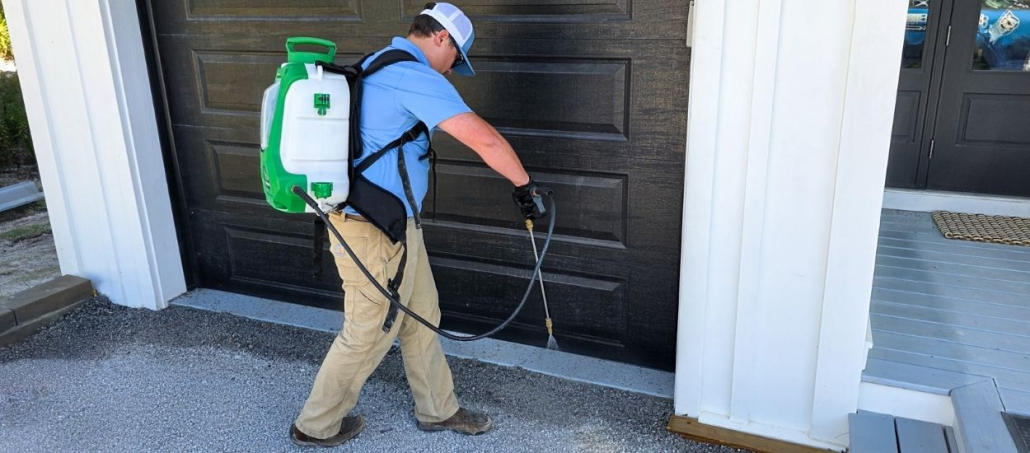
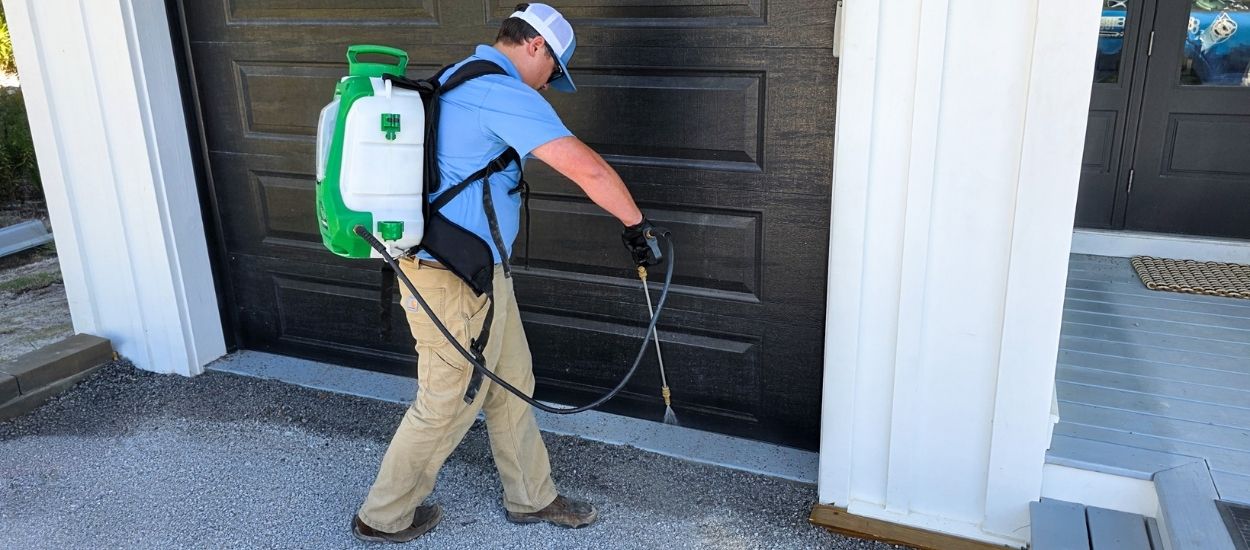
Pest control Fort Myers Florida landlords rely on most often involves a combination of perimeter spraying, interior bait placement, and structural exclusion work. The full range of pest control services offered by TruNorth Pest Control is designed to address both the visible infestation and the conditions that allow pests to enter and survive in the first place.
Room-by-Room Inspection Guide for Rental Properties
Kitchens and Laundry Areas
The kitchen is always the first place to check in any rental property. German cockroaches thrive behind refrigerators, under dishwashers, and inside the motor cavities of appliances where warmth and condensation provide ideal breeding conditions. Look for live roaches, shed skins, egg cases, and dark smear marks along the undersides of cabinet rails. A single German cockroach egg case can contain 30 to 40 eggs, and a colony can establish itself in a matter of weeks once conditions are favorable. In Fort Myers, where heat and humidity accelerate cockroach reproduction, an untreated kitchen in a vacant unit between tenants is one of the most common sources of building-wide infestations. The site common Florida roach types and how to get rid of them offers useful background on the species most active in Southwest Florida rental properties.
Laundry areas deserve equal attention. Moisture from washing machines, combined with lint accumulation behind dryers, creates harborage for silverfish, drain flies, and small cockroach species. Check floor drains, wall penetrations around plumbing, and the seams between cabinetry and flooring for any gaps larger than a quarter-inch.
Attics and Roof Voids
Roof rats are one of the most destructive and underreported pest problems in Lee County. Unlike Norway rats, which tend to burrow at ground level, roof rats are excellent climbers. They travel along power lines, scale palm trees, and enter structures through gaps at roof edges, deteriorated fascia boards, and utility penetrations near rooftops. Fort Myers has one of the highest concentrations of royal palm and sabal palm trees in the state, and these trees often serve as bridges that allow roof rats to access upper floors and attics of rental properties.
When inspecting an attic in a Fort Myers rental, look for gnaw marks on rafters and sheathing, grease trails along wall studs, nesting material made from insulation and fabric, and droppings that are roughly half an inch long with pointed ends. Roof rats can chew through electrical wiring and create serious fire hazards. They also spread disease through their droppings and urine. For landlords, a roof rat problem in a rental attic is both a habitability concern and a liability issue. Connecting with a professional rodent control program is the most reliable way to eliminate the infestation and seal the entry points that allowed access in the first place.
Crawl Spaces and Sub-Floor Areas
Many older Fort Myers rental properties, particularly those built before 1990 in neighborhoods like Dunbar, Iona, and the areas west of US-41, have crawl spaces that accumulate moisture throughout the rainy season. Standing water in a crawl space after a storm is not unusual, but persistent moisture creates conditions that accelerate wood rot, attract subterranean termites, and support large populations of cockroaches and pill bugs. Read more about how crawl space moisture drives long-term pest activity and what can be done to address it structurally before it becomes a tenant complaint.
During a crawl space inspection, check for mud tubes along foundation walls and piers, which are a sign of subterranean termite activity. Also look for wood-to-soil contact at foundation sill plates, plumbing leaks that are creating localized wet spots, and gaps around utility penetrations through the sub-floor. Termite inspections should be part of every annual property review for Fort Myers landlords, especially for wood-frame structures near standing water or vegetation.
Bathrooms and Utility Rooms
Slow drains, leaking supply lines under sinks, and poorly sealed wall penetrations around plumbing are among the most common pest entry points in rental bathrooms. Drain flies breed in the organic sludge that accumulates in p-traps and floor drains, and a small leak under a vanity can create enough sustained moisture to attract German cockroaches, silverfish, and centipedes. In multi-unit buildings, bathroom plumbing walls are shared between units, and cockroaches routinely travel through gaps in these shared wall cavities without ever being visible in the hallways or common areas.
Inspect under every sink cabinet, around toilet base flanges, and along tub or shower surrounds for gaps in caulking or grout. Even small gaps at wall penetrations can allow cockroaches to enter from neighboring units. A professional cockroach treatment program for multi-unit properties typically includes baiting inside wall voids and targeted perimeter work to break the cycle before it spreads building-wide.
Exterior Perimeter and Common Areas
Walk the exterior of every rental property looking at four specific things: dense vegetation or mulch beds within two feet of the foundation, standing water in gutters or landscape features, open gaps around utility meters and A/C line sets, and the condition of door sweeps and window screens. Ant mounds, particularly those from fire ants or big-headed ants, should be mapped and treated before move-in season. Dumpster areas in multi-unit properties need sealed lids and regular cleaning to remove the food residue that draws cockroaches, rodents, and raccoons.
Documentation and Tenant Communication
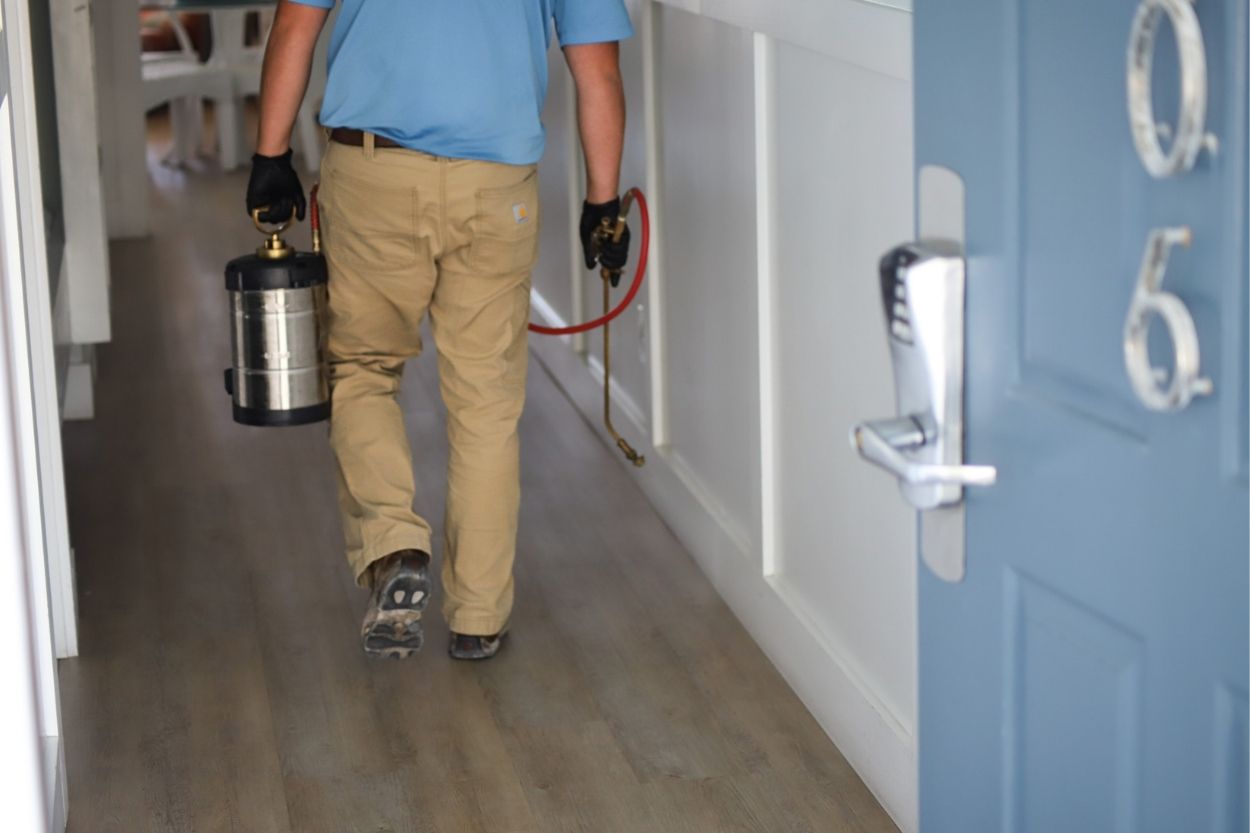
Florida landlords have a legal obligation to maintain rental properties in a habitable condition, and pest infestations that affect health and safety can give tenants grounds to withhold rent or pursue legal action under Florida Statutes Section 83.51. The most practical way to protect yourself is through documentation. Keep records of every pest control service performed at each unit, including the date, the company and technician name, the pests treated, and the products used. Require tenants to report pest activity in writing within 24 hours of discovery, and respond in writing with your action plan.
Scheduling a recurring pest control program, rather than responding only when tenants complain, demonstrates due diligence and creates a paper trail that protects landlords in dispute situations. A scheduled maintenance plan also prevents the kind of large-scale infestation that requires emergency treatments and extended vacancy. Fort Myers Florida pest control for rental properties works best as a preventive system, not a reactive one. The Florida Department of Agriculture and Consumer Services, which licenses pest control companies throughout the state, provides guidance for property owners on working with licensed pest management professionals in Florida.
For landlords with multiple units or entire apartment complexes, TruNorth Pest Control offers recurring service programs that can be customized to the property type and tenant turnover schedule. Read about how ongoing pest management reduces large-scale infestation risk, and reach out to discuss options specific to your Lee County portfolio. Contact TruNorth Pest Control to schedule a complimentary inspection for your Fort Myers rental property.
Frequently Asked Questions
What pest problems are Fort Myers FL landlords legally responsible for addressing?
Under Florida law, landlords are required to maintain rental properties in a condition that meets minimum standards of habitability. This includes addressing pest infestations that are not caused by the tenant’s own negligence or sanitation practices. Cockroach infestations, rodent activity, and termite damage that existed before a tenant moved in or that originated from shared building infrastructure are generally the landlord’s responsibility. Keeping records of regular pest control service is the best way to demonstrate that you have met this standard.
How often should rental properties in Fort Myers be professionally treated for pests?
Most licensed pest control professionals recommend quarterly treatments for residential rental properties in Southwest Florida, with monthly service for multi-unit buildings or properties with a history of cockroach or rodent activity. Fort Myers has a year-round subtropical climate that allows pest populations to remain active even in winter months, so seasonal-only service is rarely sufficient for rental properties with regular tenant occupancy.
What are the warning signs of a roof rat problem in a Fort Myers rental property?
Common signs include gnaw marks on wood trim or wiring, greasy smear marks along rafters or wall studs in attic spaces, droppings that are roughly half an inch long with pointed ends, scratching or running sounds in the ceiling at night, and nesting material such as shredded insulation or fabric tucked behind stored items in attic spaces. Roof rats are most active after dark, so tenant reports of nighttime noises in the ceiling are often the first indication of an active infestation.
Can a tenant in Fort Myers break a lease because of a pest infestation?
Florida law allows tenants to take several remedies if a landlord fails to maintain a habitable property after receiving written notice of the problem. These remedies include withholding rent after following specific legal procedures, terminating the lease, and in some cases seeking damages. A landlord who has documentation showing regular professional pest control service and prompt responses to tenant pest reports is in a much stronger legal position if a dispute arises. Preventive service is always less expensive than the cost of a lease dispute or vacancy.
What does TruNorth Pest Control include in a rental property pest inspection in Fort Myers FL?
TruNorth’s rental property inspections cover the full interior and exterior of the structure. Technicians check kitchens and bathrooms for cockroach harborage, attic and crawl space areas for rodent activity and termite indicators, exterior perimeters for entry points and conducive conditions such as moisture accumulation or vegetation overgrowth, and common areas in multi-unit properties for signs of ant, cockroach, or rodent pressure. After the inspection, landlords receive a written report of findings and a recommended treatment plan tailored to the property.
TruNorth Pest Control serves property managers and landlords throughout Fort Myers Florida and the broader Lee County area with professional pest inspections, recurring treatment programs, and same-week scheduling. Founded by Tony Carder, who entered the pest control industry in 1985, TruNorth combines decades of field experience with family-safe, eco-conscious treatment methods. Whether you manage a single rental home near the Edison Ford Winter Estates or a portfolio of apartment units along the Tamiami Trail, our team is ready to help you protect your investment. Contact TruNorth Pest Control today to schedule a complimentary inspection.