
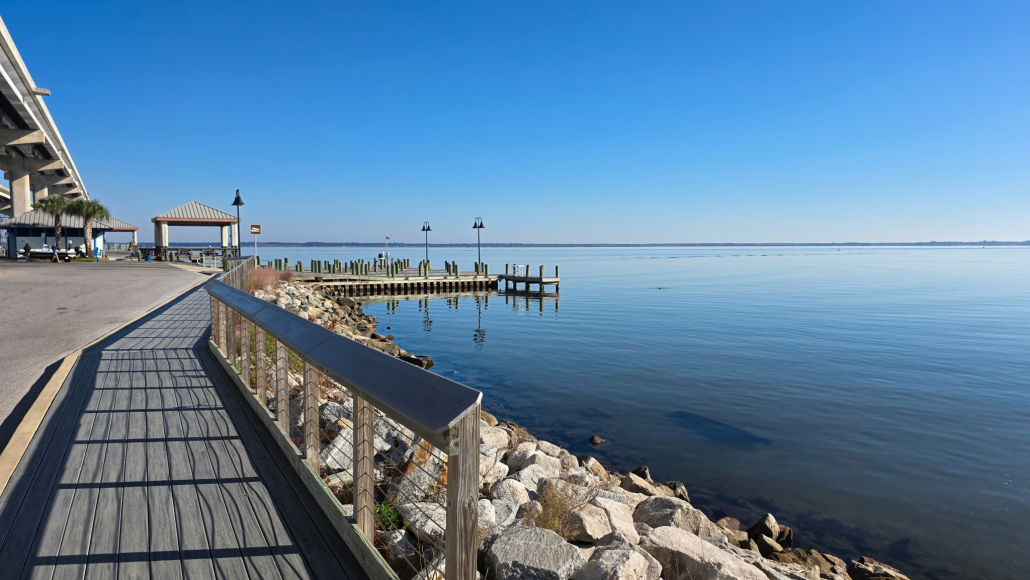
Summer Pest Control in Freeport FL – What Walton County Homeowners Need to Know
If you live along US-90 or out near SR-20 in Freeport, you already know what June through August feels like in Walton County – relentless heat, afternoon thunderstorms, and the kind of thick humidity that coats every surface by mid-morning. What you may not know is that these same conditions create near-perfect breeding grounds for the pests most likely to invade your home this summer. Pest control in Freeport FL is not a one-size-fits-all job. The mix of sandy loam soils, proximity to the Shoal River floodplain, and heavily wooded residential lots off County Road 189 puts Freeport properties at elevated risk for termite activity, mosquito breeding, fire ant expansion, and German cockroach infestations from late spring through early fall.
At TruNorth Pest Control, our technicians serve Walton County households and businesses throughout the summer months. What we see year after year is that most infestations that become serious problems in August actually began quietly in May or June – when homeowners noticed a few ants near the kitchen sink or spotted a couple of mosquitoes near the back deck but assumed the problem would resolve on its own. It rarely does. Freeport FL pest control requires early intervention and a consistent treatment plan that accounts for the specific pressures this part of the Florida Panhandle puts on your home.
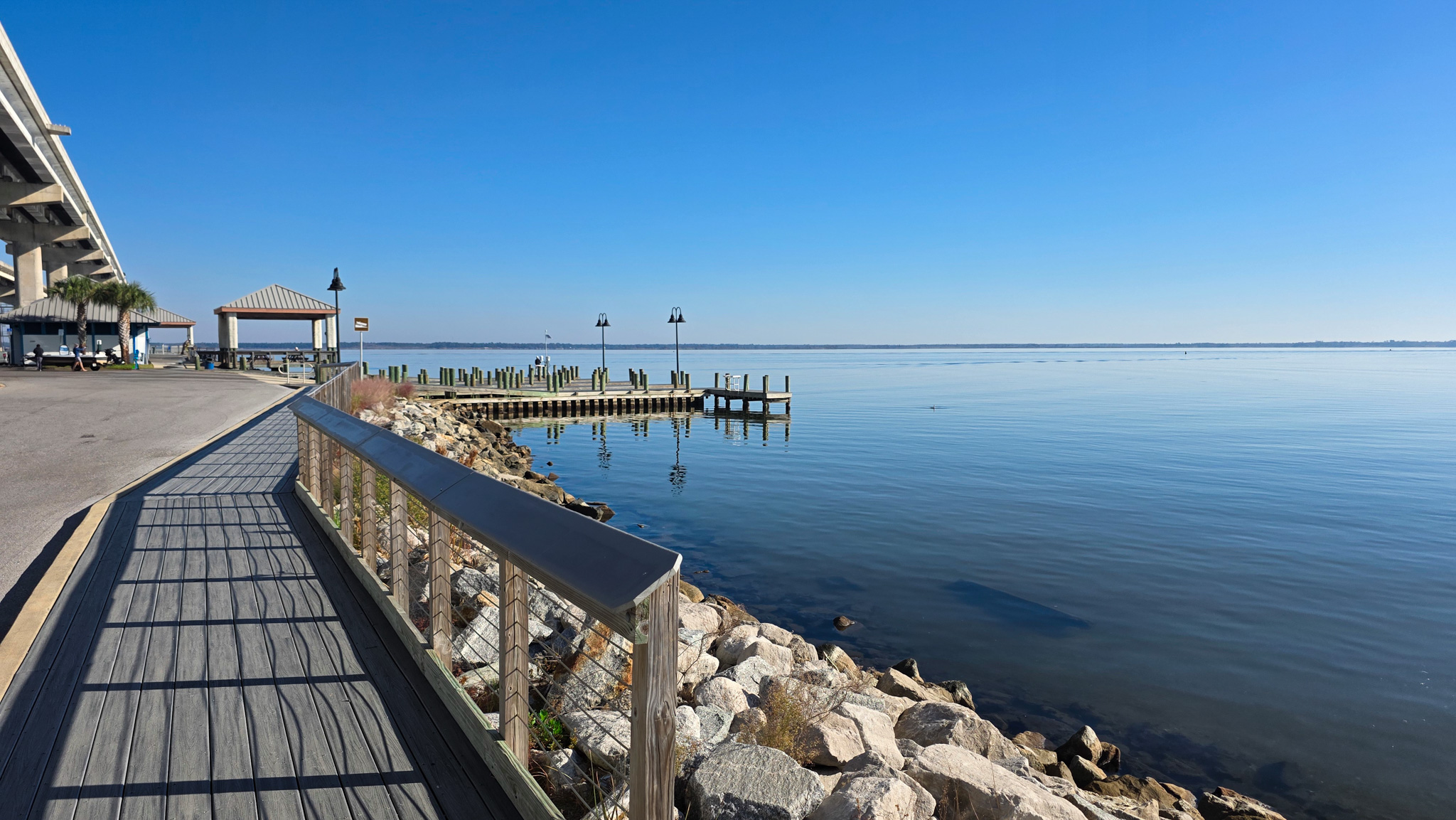
The Summer Pest Landscape in Walton County
Freeport sits roughly 15 miles north of the Choctawhatchee Bay estuary, placing it in a transition zone between coastal and inland ecosystems. That positioning matters because it means properties here deal with pest species typical of both environments, and summer amplifies every one of them. The city spans portions of Walton County south of DeFuniak Springs and north of the Emerald Coast communities, and its blend of pine flatwoods, wetland margins, and residential neighborhoods creates a wide range of pest habitats.
Subterranean Termites
The eastern subterranean termite is the most economically damaging pest in Walton County. Colonies living in the moist sandy soils along drainage corridors near the Shoal River can number in the millions, and they begin swarming in April and May. By June, workers are at peak underground activity, exploiting any wood-to-soil contact they can find. Homes along wooded roads off CR-189 or near Juniper Creek Road are particularly vulnerable because of the dense organic matter in the surrounding vegetation that keeps soil moisture high even during dry spells.
Subterranean termites do not announce their presence. They move through mud tubes inside wall voids and floor joists, and by the time you see visible damage, a colony may have been feeding on your structure for years. If your home has a crawl space, a wood deck that contacts grade, or aging mulch beds tight against the foundation, the risk is elevated significantly. Our complete guide to termite prevention and treatment walks through exactly what to look for and when to call in a professional.
Mosquitoes and the Shoal River Corridor
Standing water is not hard to find in Freeport after a summer rain. Low-lying lots near the Shoal River Wildlife Management Area, drainage ditches along US-90, and catch basins throughout older subdivisions hold water long enough for Aedes and Culex mosquitoes to complete egg-to-adult cycles in as little as seven to ten days. The risk is not just itchy bites. West Nile virus and Eastern equine encephalitis virus both circulate in Walton County mosquito populations, and Aedes albopictus – the tiger mosquito common throughout the Florida Panhandle – can transmit dengue in areas of active transmission.
Professional mosquito treatment that targets both adult populations and larval breeding sites is far more effective than consumer foggers, which kill only what they directly contact and leave larval sources untouched. If you are curious about how mosquito pressure looks in other nearby Florida Panhandle communities, read about mosquito control along the Panama City Beach corridor, where coastal conditions create similar seasonal challenges.
Fire Ants
Red imported fire ants thrive in the warm sandy soils throughout Walton County. By July, mound counts in unmanaged yards in Freeport can reach alarming densities. Fire ant activity spikes after summer rains, and mounds that disappear underground during drought reappear rapidly once soil moisture returns. Children, pets, and anyone doing yard work are at risk of stings that can trigger severe allergic reactions in sensitive individuals.
Fire ants are notoriously difficult to control with broadcast baits alone because treatment must reach the queen deep within the colony. Misapplication of over-the-counter products frequently causes colonies to split and relocate rather than die, spreading the problem across a wider area of your yard rather than resolving it.
German Cockroaches
German cockroaches thrive in Freeport’s summer heat when indoor and outdoor temperatures stay elevated around the clock. Once they establish inside a kitchen or bathroom, they reproduce rapidly – a single female can produce enough offspring to significantly populate a home within a matter of weeks. The combination of high summer humidity and any moisture source near plumbing creates ideal conditions for colonies to grow unchecked. For a deeper look at the cockroach species common throughout this region, see our article on roaches in Florida and how to get rid of them.
German cockroach control requires a combination of targeted gel bait placement, crack-and-crevice treatment, and moisture management, not just a spray around the perimeter. TruNorth technicians use Integrated Pest Management approaches that minimize product exposure while eliminating the colony at its source.
Why Summer Rain Makes Everything Worse in Freeport
The Florida Panhandle averages between 55 and 65 inches of rain annually, with the bulk of that rainfall coming between June and September. In Freeport, afternoon thunderstorms are nearly daily events by late June. Each rain event saturates the sandy soil profile, flushes termites closer to the surface, fills low spots that become mosquito breeding sites, and drives crawl space humidity up sharply within hours of a storm.
Homes with inadequate crawl space ventilation or missing vapor barriers absorb this moisture through their substructures. Elevated crawl space humidity does two things: it accelerates wood decay that termites exploit, and it creates conditions that attract moisture-seeking insects including silverfish, centipedes, and cave crickets. Our detailed article on how crawl space moisture creates long-term pest activity in southern properties explains the specific mechanisms at work and the solutions that make a lasting difference.
Integrated Pest Management and Why It Matters for Freeport Properties
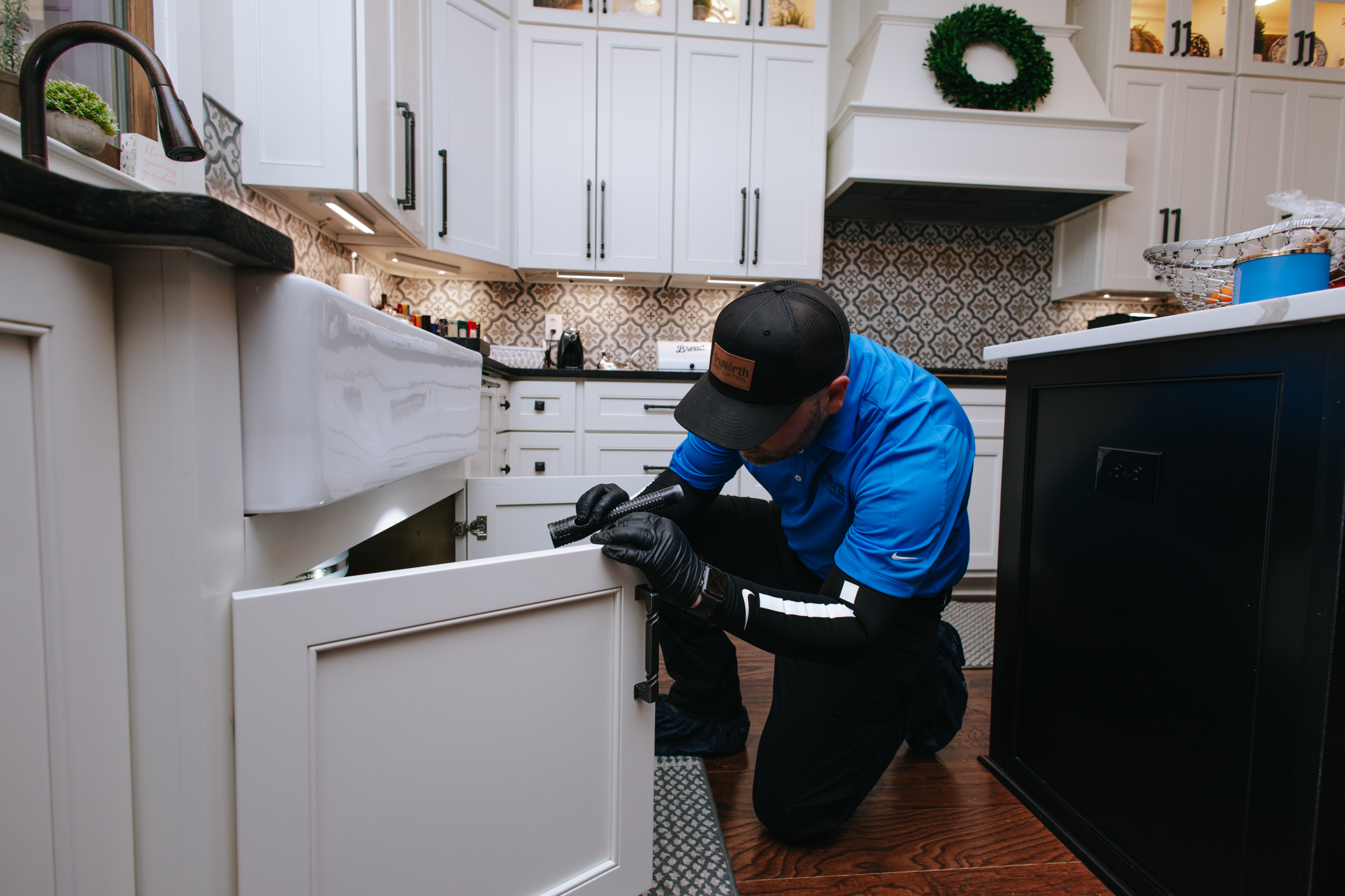
Integrated Pest Management (IPM) is not a single treatment – it is a framework that combines inspection, identification, threshold-based decision making, and targeted treatment to solve pest problems with the minimum necessary intervention. For homeowners pursuing pest control Freeport Florida residents rely on, IPM matters because the dense vegetation, high humidity, and proximity to natural areas mean that simply spraying a barrier and calling it done rarely addresses the source of a problem.
TruNorth’s approach involves a thorough inspection of both the interior and exterior of your property, identification of conducive conditions such as mulch piles against the foundation, gaps in door sweeps, or leaking irrigation heads, and a treatment plan tailored to the actual pests present. Florida-licensed pest management professionals apply the research-based guidelines established by the University of Florida IFAS Extension for pest identification and treatment protocols, and TruNorth’s technicians bring that knowledge to every property they service in Walton County.
Our service packages range from targeted single-pest treatments to comprehensive plans that cover general pests, mosquitoes, termites, bed bugs, German roaches, and rodents. This flexibility matters in Freeport because a property backing up to a pine flatwood drainage corridor needs a different strategy than a tightly maintained subdivision lot off US-98.
What Freeport Homeowners Should Do Right Now
Waiting until a full infestation develops costs more money, takes longer to resolve, and causes significantly more stress than addressing pest pressure early in the season. The following steps are practical starting points for any Freeport property owner heading into the peak summer months.
Walk your foundation line after every significant rain and look for pencil-thin mud tubes, new fire ant mounds, or soft wood near grade contact. Eliminate standing water in flowerpot saucers, low spots in the yard, and clogged gutters within 72 hours of a rain event. Make sure soffit vents and crawl space vents are unobstructed and that any vapor barrier material in your crawl space is intact and sealed at the seams.
If you are a property manager or own rental units in the Freeport area, keep in mind that the same summer conditions that affect single-family homes affect multi-unit and commercial properties as well. Consistent perimeter treatments and a scheduled service plan protect your investment and reduce the likelihood of a serious infestation developing between visits. Understanding why Florida Panhandle homes see faster pest reinfestation without ongoing service is a useful starting point for any property owner weighing their options this season.
When you are ready for a professional assessment, the pest control team serving Freeport FL at TruNorth is available Monday through Friday from 8 a.m. to 5 p.m. and Saturdays from 9 a.m. to 2 p.m. Complimentary inspections are available, and after-hours appointments can be arranged for homeowners who need flexibility around work schedules. For a full overview of available services, visit our pest control services page or contact us to schedule your inspection today.
Find Freeport, FL on the Map
Frequently Asked Questions About Pest Control in Freeport FL
What pests are most active in Freeport FL during summer?
During the summer months in Freeport FL, the most active pests are subterranean termites, mosquitoes, red imported fire ants, and German cockroaches. The combination of Walton County’s humid subtropical climate and frequent afternoon rainstorms creates ideal breeding and foraging conditions for all four species from June through September.
How do I know if I have termites in my Freeport FL home?
Common signs of subterranean termite activity in Freeport include pencil-thin mud tubes running along your foundation wall or floor joists, discarded wings near window sills and doors after a swarm, hollow-sounding wood when you tap it, and small piles of wood-colored frass. Because termites feed from the inside out, structural damage is often well advanced before visible signs appear on the surface, which is why a professional inspection is the most reliable way to assess your risk.
Can I control mosquitoes in my Freeport FL yard on my own?
Consumer foggers and citronella candles provide short-term relief at best and do nothing to address larval breeding sites. Effective mosquito control in Freeport requires treating standing water sources, applying residual products to resting vegetation, and following up on a schedule that accounts for the seven-to-ten-day egg-to-adult cycle. A professional service plan produces significantly better results for the full summer season.
How much does pest control in Freeport FL typically cost?
The cost of pest control in Freeport FL depends on the size of your property, the specific pests present, and the service plan you choose. TruNorth Pest Control offers complimentary inspections so you receive an accurate estimate based on what is actually found at your property. Many homeowners find that a recurring service plan is more cost-effective than one-time treatments because it prevents infestations from reaching the point where extensive remediation is needed.
Does TruNorth Pest Control serve Freeport FL and the surrounding Walton County area?
Yes. TruNorth Pest Control serves Freeport and communities throughout Walton County. Our technicians are available Monday through Friday from 8 a.m. to 5 p.m. and on Saturdays from 9 a.m. to 2 p.m., with after-hours appointments available on request. Call (678) 325-7770 or visit our website to schedule a complimentary inspection.
TruNorth Pest Control has been protecting Florida Panhandle and Georgia families since Tony Carder founded the company with more than 30 years of pest management experience behind him. If you are dealing with summer pests in Freeport FL, our local team is ready to help with a complimentary inspection and a treatment plan built around your property’s specific needs. Contact TruNorth Pest Control today and take the first step toward a pest-free home this summer.